प्रतीक्षा करें
Parsing the Naga lineage records…
प्रतीक्षा करें
Parsing the Naga lineage records…
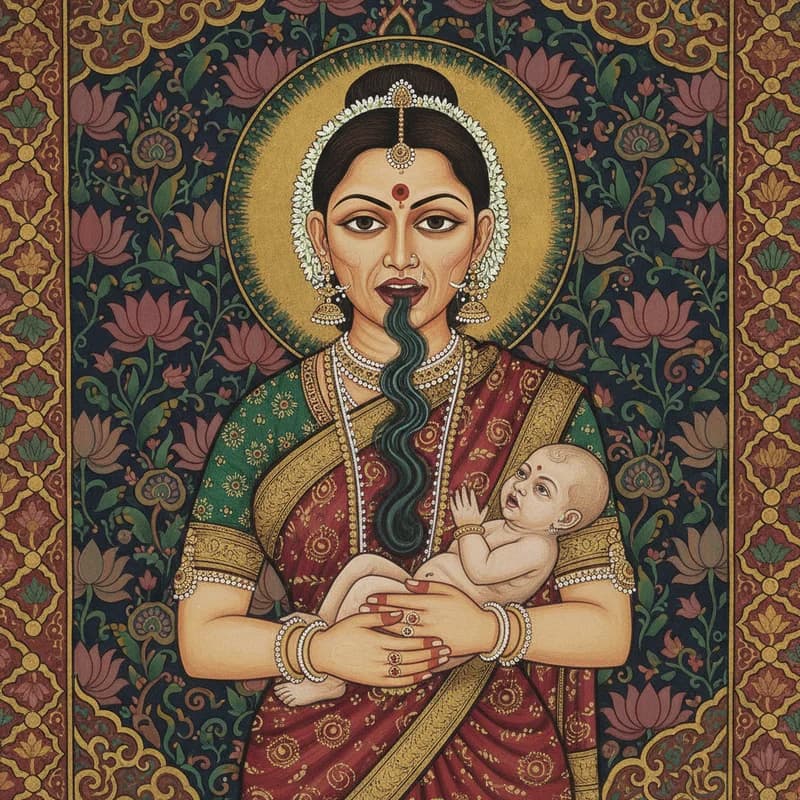

Ale
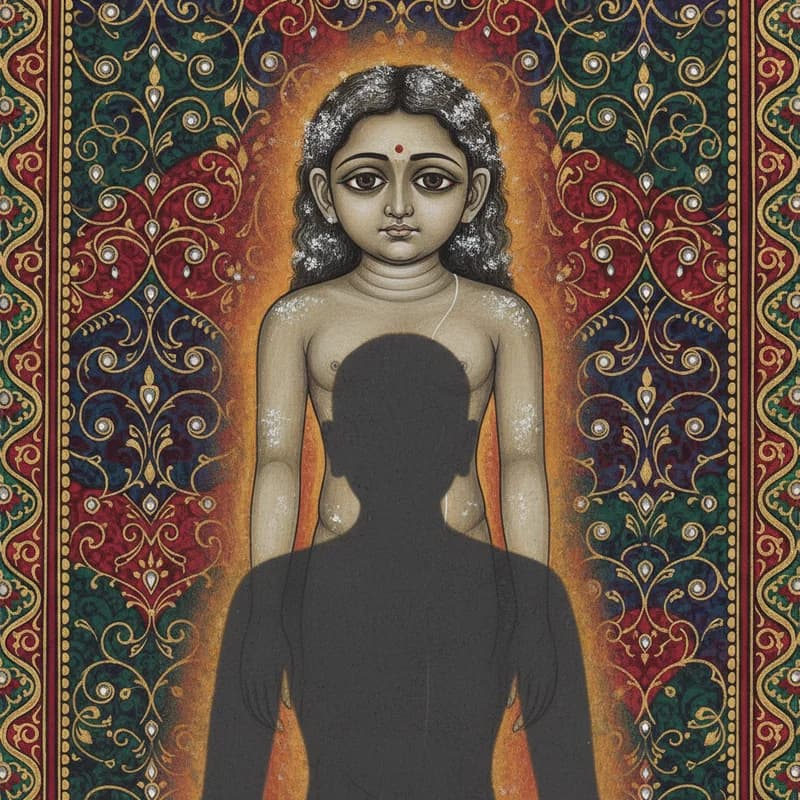
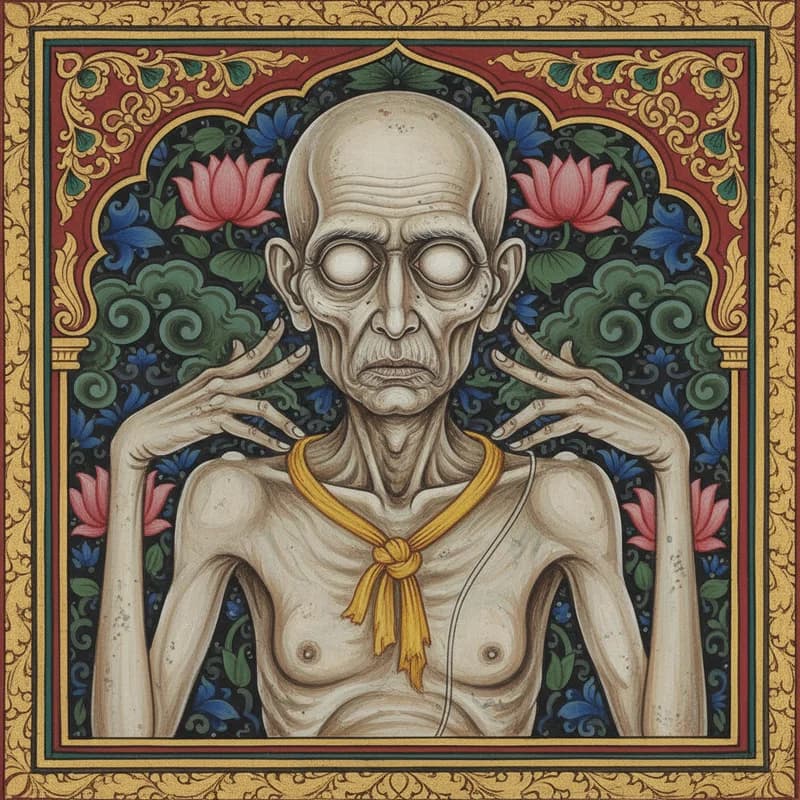
In the first forty days after birth, the households of rural Karnataka hold their breath. Windows stay covered. The new mother does not step outside after dusk. Visitors who have recently attended a funeral are turned away at the door. The Ale moves through this period like water through cracked earth — finding weakness, finding the threshold between one life just ended and another just begun. Oral accounts collected across the Malnad foothills and the villages east of the Tungabhadra describe the same progression: the mother grows distant, stops nursing, stares at the ceiling beams as though reading something written there. The infant cries without cause. Both together, in the same hour, is the clearest sign.
What the Ale is, healers in the Hassan and Shivamogga districts do not fully agree on. Some describe it as the spirit of a woman who died in childbirth herself — unfinished, envious, drawn to the warmth of what she lost. Others hold it has no personal history, that it gathers wherever the body is open and the protective rituals have been neglected or performed carelessly. The village healer, the mantravadi, is called before a physician in most accounts; the exorcism involves specific incantations, neem branches, and a small fire built at the threshold. Without intervention, the accounts suggest the possession deepens. The mother returns to herself only partially. The child, in the darker versions told during the monsoon months in Kodagu, does not return at all.
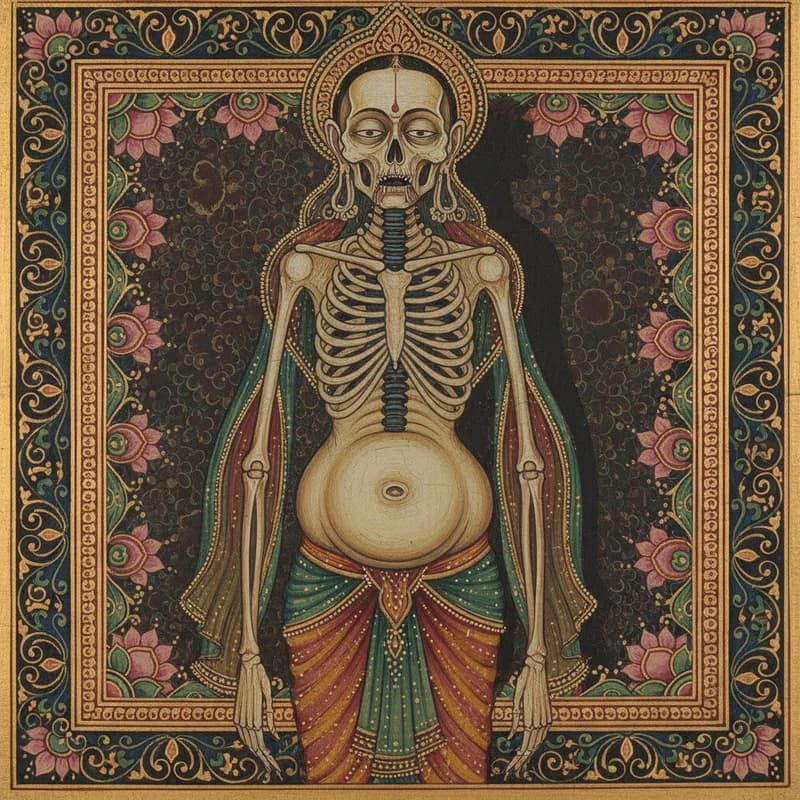
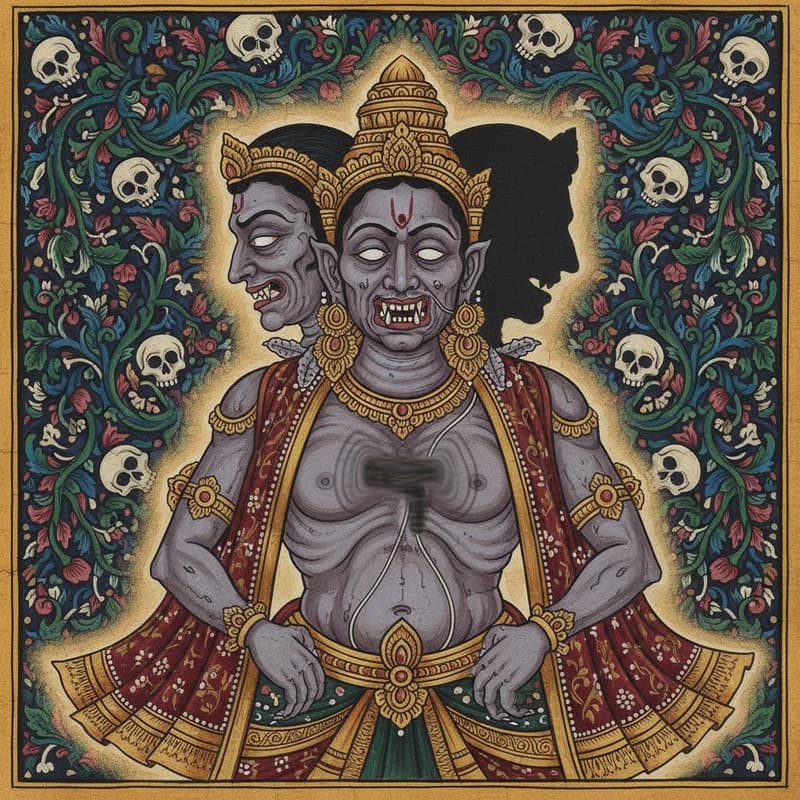
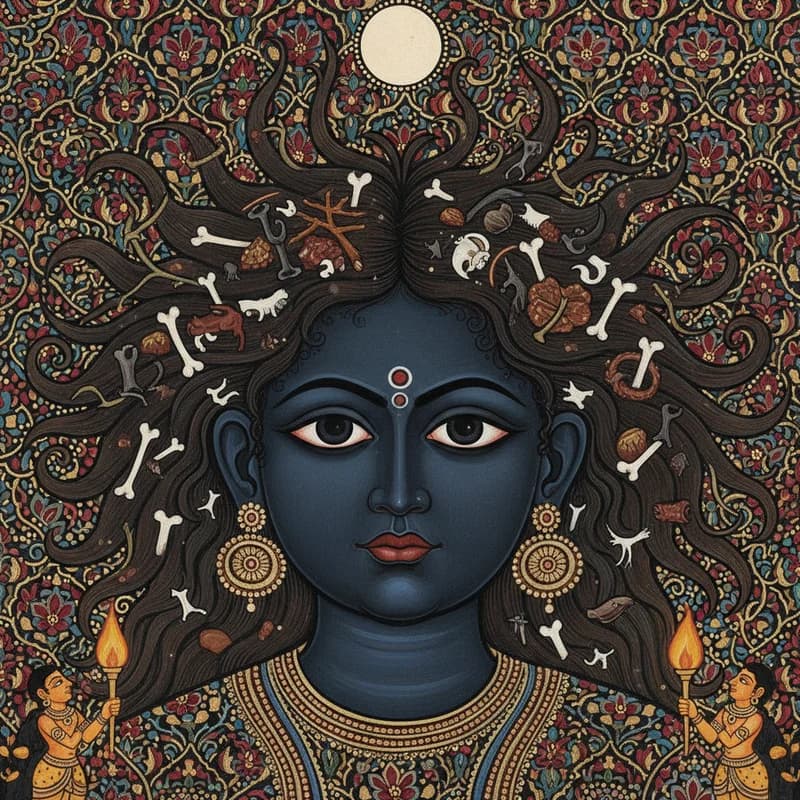
The Ale arrives without announcement — no cold draft, no animal disturbance, only the sudden stillness of a newborn who has stopped feeding mid-cry. Witnesses from the villages around Shimoga and the Tungabhadra basin describe the possessed mother's face as unchanged in feature but wrong in orientation, as though the muscles beneath have forgotten their habitual arrangements and settled into something older and less patient. The eyes remain the mother's eyes, the hands remain her hands, but she holds the infant at an angle no nursing woman naturally holds a child — tilted slightly away, at the chest rather than the crook of the arm. The smell that enters the room before the exorcist's camphor and neem smoke is described consistently as overripe jackfruit and wet earth from a field that has not been turned — the smell of the threshold between the womb-world and this one. What marks the Ale finally, irrevocably, is the voice: the mother speaks in a register her own throat has never produced, a low continuous sound like water moving under mud.
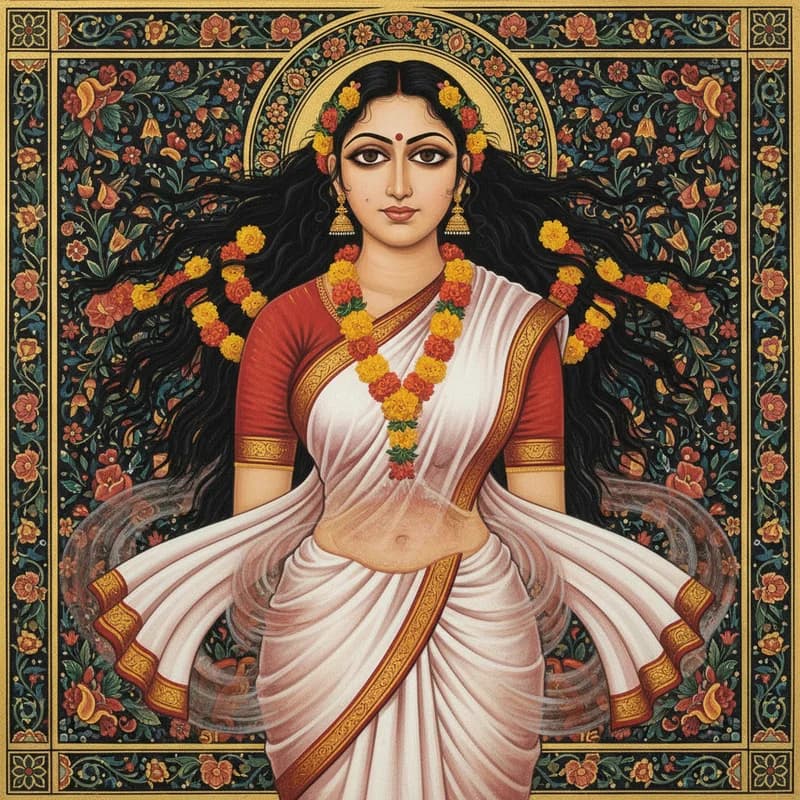
In the weeks following a birth, Ale takes the form of a neighbor woman who has come to help — the kind who arrives uninvited but expected, carrying a brass vessel of water or a cloth bundle of turmeric and neem, the ordinary materials of postpartum care in villages along the Tungabhadra and Malaprabha belts. She is unremarkable in every way that matters: the right age, the right manner, the right reason to be in the birth-room. The first tell is the vessel she carries — however full it appears, it makes no sound when she walks, not even the faint slosh that brass and water always produce on a stone floor. The second is subtler: she will not look directly at the infant, only at the mother, with an attention that experienced dais describe as the wrong kind of hunger entirely.
First Documented
Ale surfaces most clearly in the oral ritual traditions of southern Karnataka, documented among village communities along the Tungabhadra basin, where postpartum exorcism chants recorded by folklorists in the mid-twentieth century preserve her name alongside invocations to ward off infant fever and maternal delirium.
Last Recorded
Accounts of Ale possession collected from villages along the Tungabhadra basin date as recently as the early 2000s, with ethnographers documenting active exorcism rituals in rural Koppal and Raichur districts; healers and midwives in these communities continue to recognize and name the spirit today.
Source Language
Kannada
Origin
The Ale appears in the oral tradition streams of the Malnad region — the forested hill country between the Western Ghats and the Tungabhadra basin — where village healers called *mantravādis* have catalogued its behavior across generations of postpartum cases. No Puranic text names it directly; its earliest written traces surface in colonial-era Mysore district gazetteers and in the Kannada folk medicine compilations assembled by missionaries in the late nineteenth century, where it is framed as a generic malevolent spirit. The oral tradition insists on a more specific nature: the Ale is not a wandering ghost but a being drawn specifically to the threshold state, to the brief period when a new mother's body is neither fully itself nor fully recovered, and when the infant has not yet been formally introduced to sunlight and the household fire. Where the gazetteer accounts describe possession as random misfortune, the *mantravādis* of Shivamogga and Chikkamagaluru districts maintain that the Ale targets the unwatched moment — the hour before dawn when the attendants sleep. That divergence matters: it shifts
Frequently Asked
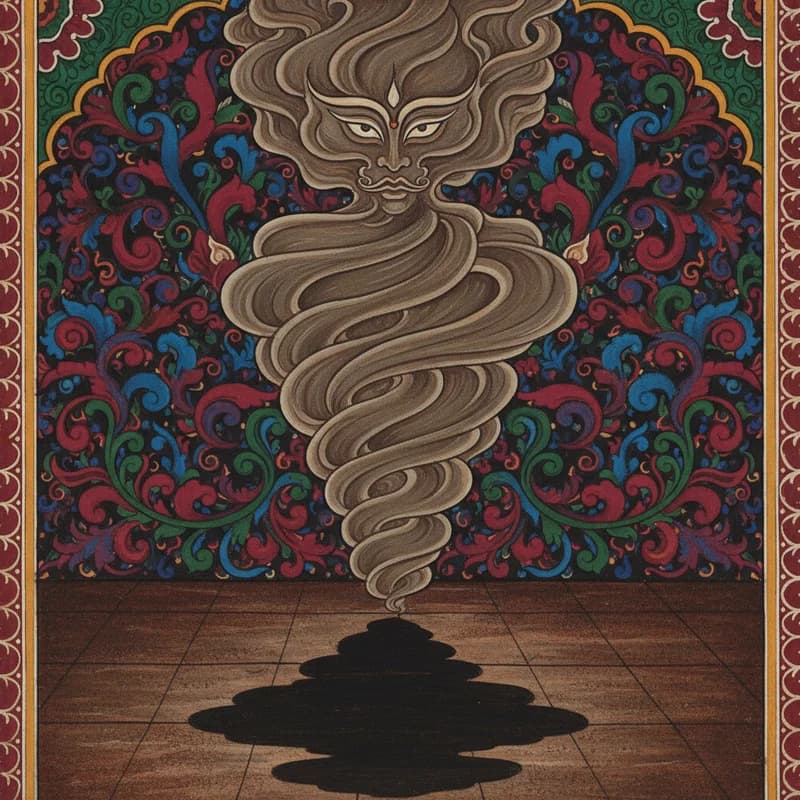
Ale (ಅಲೆ) is a postpartum spirit from Karnataka's folk tradition, believed to possess new mothers and newborns during the vulnerable first weeks after birth. The name itself means 'wave' in Kannada, suggesting how the spirit moves — in surges, unpredictably, washing over the household. Village healers across the Malnad region and the plains of the Kaveri basin have documented its presence for generations.
Possession by Ale is typically recognized through sudden behavioral changes in the new mother — erratic speech, refusal to nurse, or an unnatural stillness that older women in the household identify as the spirit's grip. In accounts collected from villages near Shimoga and Davangere, the afflicted woman sometimes speaks in voices not her own. These signs appear most often in the first forty days after delivery, a period already considered ritually dangerous in Karnataka's folk medicine.
Yes — Ale is considered a threat to both mother and infant, with newborns regarded as especially susceptible because they have not yet been formally introduced to the household's protective deities. Unexplained infant crying, refusal to feed, and sudden fevers are attributed to Ale's presence in oral accounts from the Tungabhadra river villages. The spirit is not considered malicious in the way a demon is, but its contact is understood to be dangerous through disruption rather than direct harm.
Exorcism of Ale is performed by specialized village healers — often women with inherited knowledge — who use a combination of smoke fumigation, neem leaves, and spoken incantations tied to local goddess traditions. In parts of the Hassan and Chikkamagaluru districts, the ritual involves circling the mother and child with a lit lamp while invoking protective village deities. The ceremony is typically conducted at dusk, when the boundary between the ordinary and the spirit world is considered most permeable.
Ale does not appear in classical Sanskrit texts or the major Puranas, which reflects its nature as a deeply local, orally transmitted belief rather than a pan-Indian mythological figure. Its documentation exists primarily in the folk medicine traditions of Karnataka and in the ritual knowledge held by village healers. Ethnographic records from the twentieth century, including surveys of Karnataka's folk religion, offer the most systematic accounts of Ale's characteristics and the rites used against it.
Unlike the Churel of North India — a spirit formed from the death of a woman in childbirth, driven by vengeance — Ale is not a transformed human soul but an opportunistic spirit that targets the living during a moment of physical and ritual vulnerability. The Churel seeks to harm men and children out of grievance; Ale is understood to be drawn by the raw, unprotected energy of birth itself. This distinction places Ale closer to the category of spirits that exploit liminality rather than those animated by human emotion.
Ale is specific to Karnataka, with the most detailed oral traditions concentrated in the districts of Shimoga, Hassan, Chikkamagaluru, and the older agricultural settlements along the Kaveri and Tungabhadra rivers. The spirit is embedded in the same ritual ecosystem as Karnataka's village goddess worship, particularly the traditions surrounding Maramma and Yellamma. Outside Karnataka, comparable postpartum spirit beliefs exist under different names, but Ale as a named entity with its own exorcism protocols belongs distinctly to this region.
Protective measures begin before the spirit can take hold — iron objects are placed near the mother's bed, since iron is widely regarded across South Asian folk traditions as repellent to spirits. Neem branches hung at the doorway of the birth room serve as a barrier, and the new mother is not left alone during the first nights after delivery. In many villages, a senior woman of the household maintains a vigil, watching for the early signs that Ale has entered the room before possession can deepen.
संबंधित लोकगाथाएं
Related Lore
Algorithmic Inference
आपको यह भी पसंद आ सकता है
You May Also Like
Community Discussion
Comments are reviewed by AI before appearing publicly. Unsafe, unrelated, or uncertain comments go to human review.
Sign in to join the discussion.
0 comments
No public comments yet.