प्रतीक्षा करें
Illuminating the manuscript…
प्रतीक्षा करें
Illuminating the manuscript…
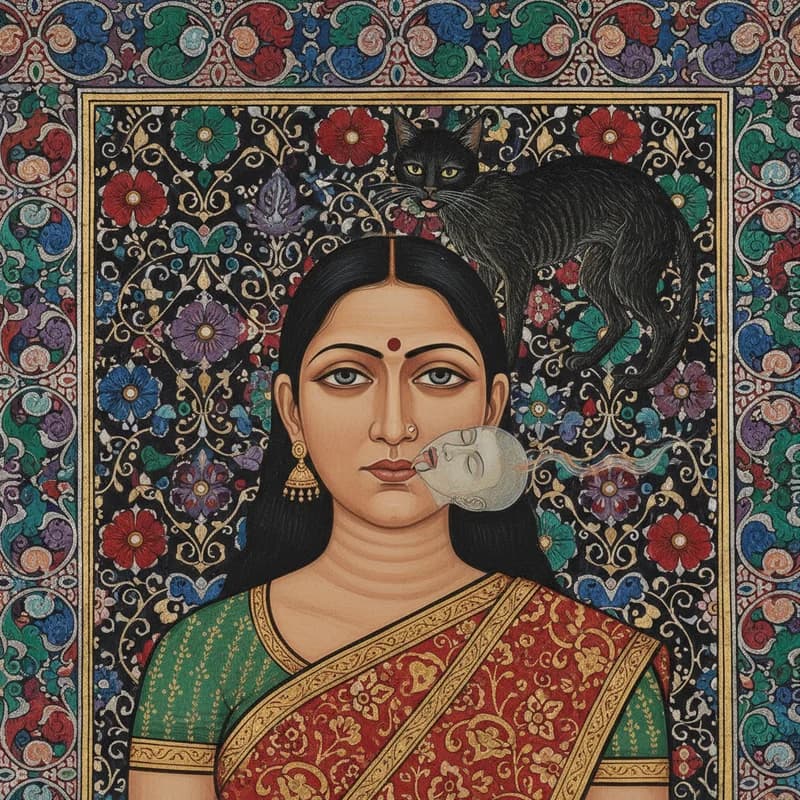

Chordewa
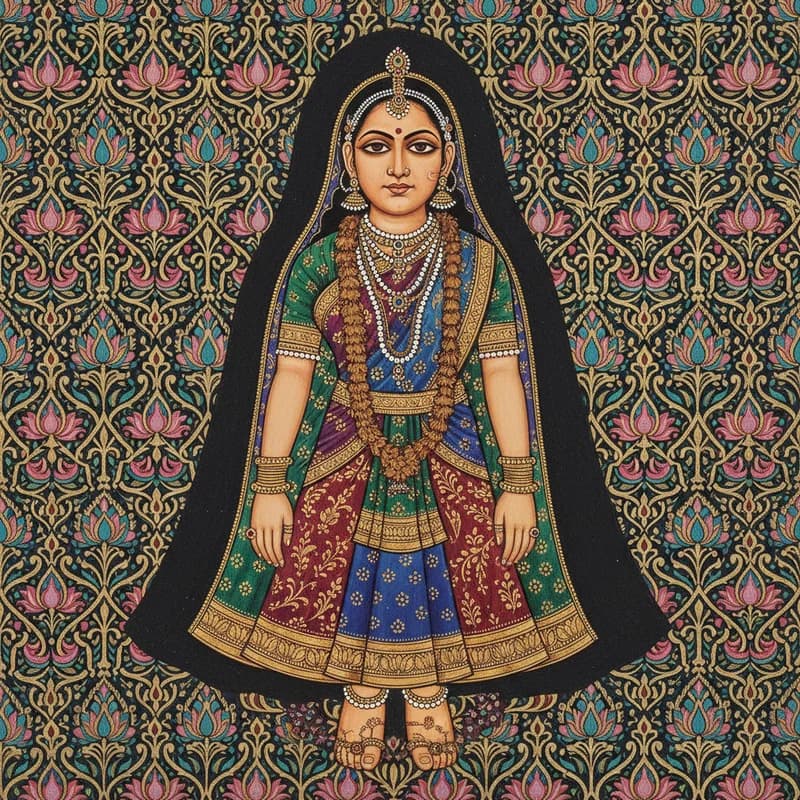
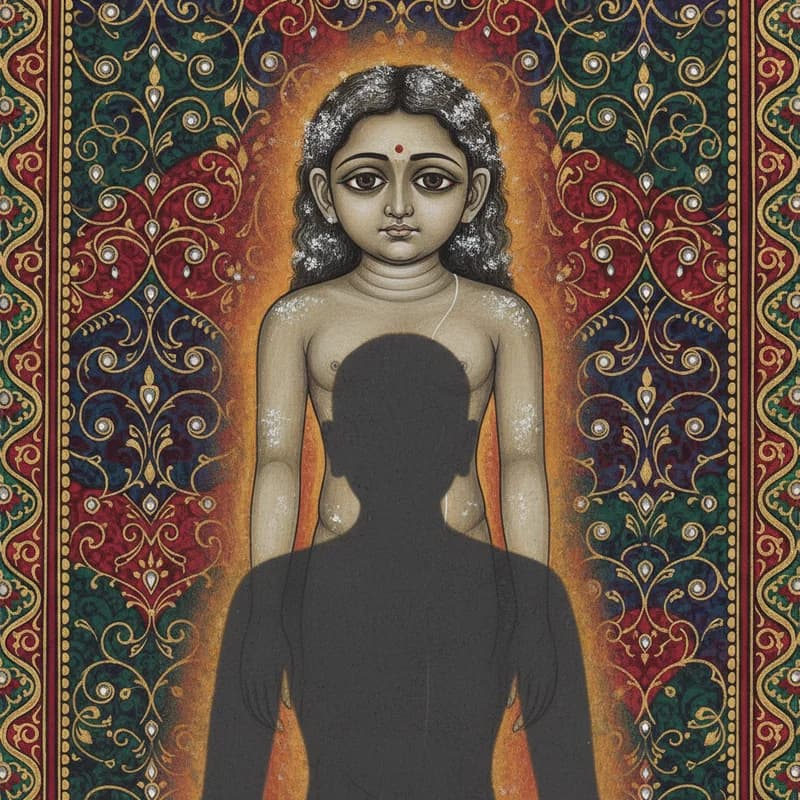
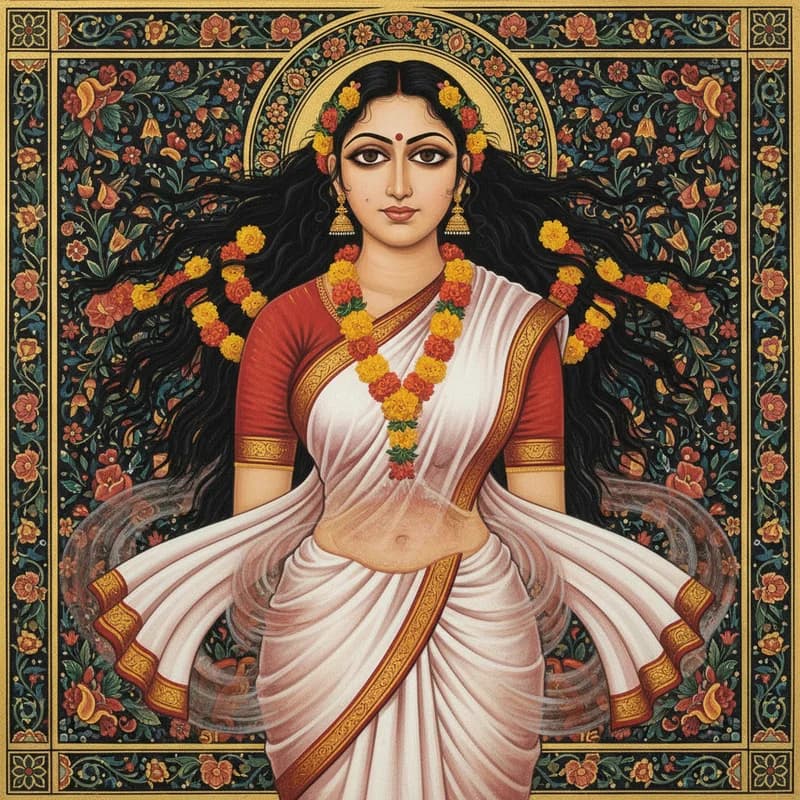
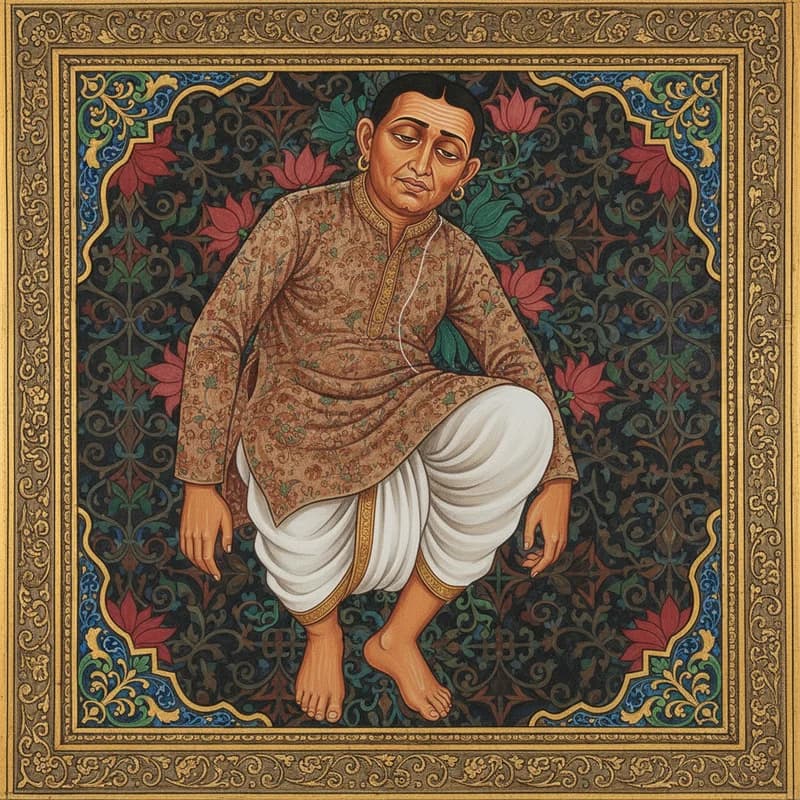
Among the Oraon and Munda communities of the Chota Nagpur Plateau, the Chordewa is not a creature that arrives from elsewhere. She lives in the village already — a woman, ordinary by daylight, someone whose face you know from the well or the paddy field at harvest. What changes at night is not her presence but her containment. While her body lies still in her hut, her soul slips free, taking the shape of a black cat that moves through the dark without sound, drawn toward houses where the sick are already fading.
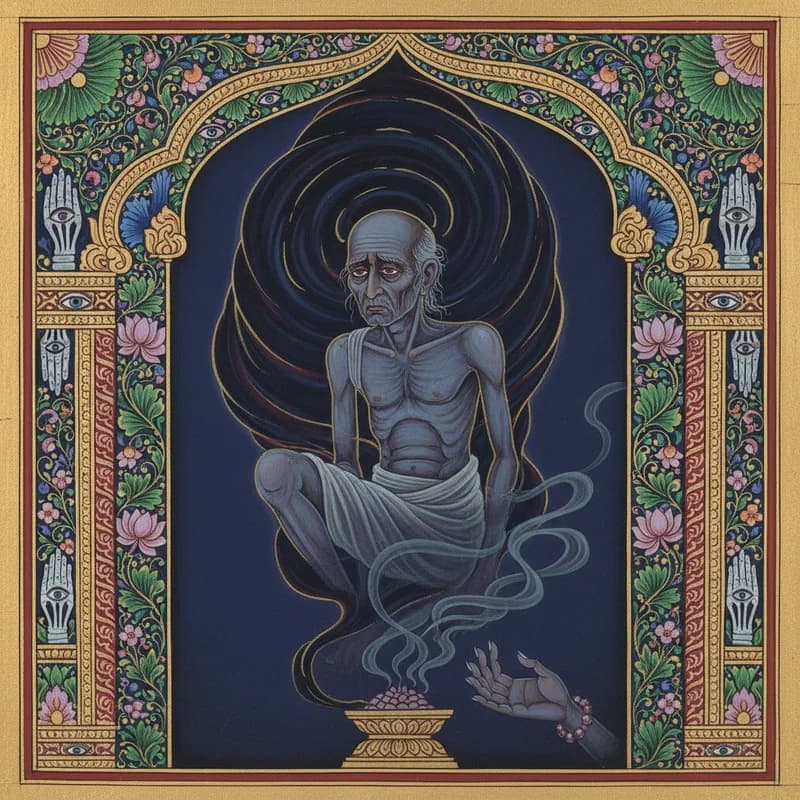
The cat does not kill. It finds what is already dying and hastens it. Accounts collected from villages near the Damodar river are consistent on this point: the Chordewa's cat seeks the lips of the bedridden, lapping at the breath still leaving them, drinking whatever remains of their life before morning can take it gently. The sign that she has visited is a dying person who deteriorates with sudden violence overnight — a fever that doubles, a silence that deepens past sleep. Recognition is the only protection the folklore offers. If you see a black cat near a sickbed and strike it, the wound will appear on the Chordewa's body by dawn. That correspondence — cat and woman sharing the same flesh across the dark — is what marks her, and what condemns her, in the communities that still watch for her.
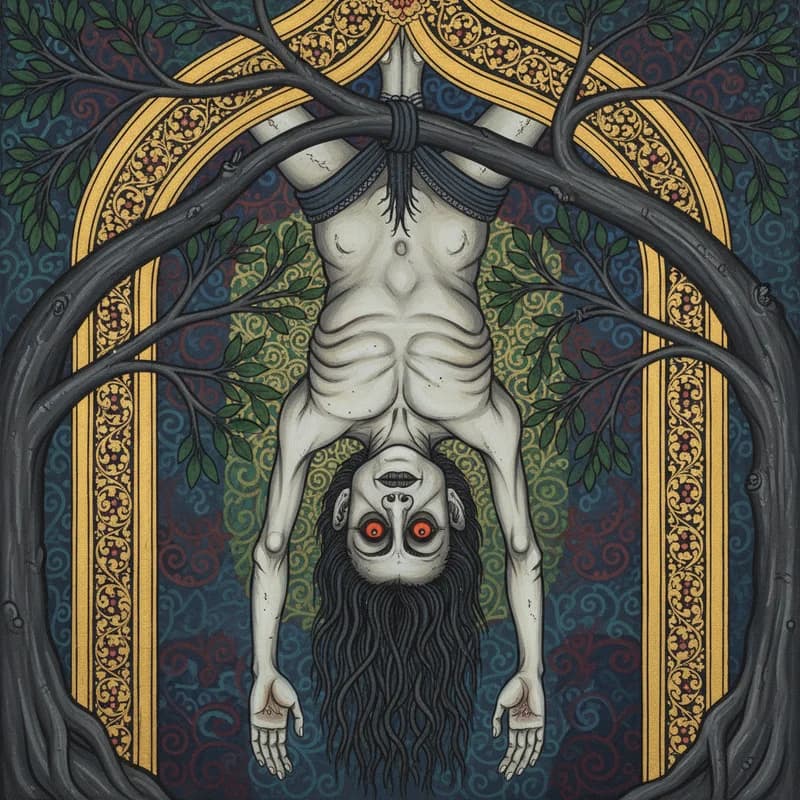
The Chordewa appears as an ordinary village woman by day — unremarkable in the way that makes witnesses, looking back, recall only the negative space around her, the absence of specific detail. At night, the soul exits through the sleeping body's mouth and moves as a small black cat, thinner than any cat should be, with a ribcage that shifts visibly beneath the coat as though breathing requires effort. The fur is dry to the touch, witnesses report, like old jute left too long in the sun — no warmth beneath it, no animal heat. What marks it as no common cat is the tongue: pale, almost white, and when it licks the lips of the dying it leaves no moisture, only a faint smell of copper and extinguished lamp-wicks, the smell of a room where someone has just stopped breathing.
In the villages east of the Brahmaputra's old distributaries, where the paddy fields flood black in monsoon and cats are common as crows, the Chordewa moves through the night as an ordinary black cat — thin-flanked, unremarkable, the kind that sleeps on granary walls from Cooch Behar to the Sundarbans. It approaches the threshold of a house where someone lies ill, and this is where the disguise begins to fail those who know what to look for. The cat does not blink. Healthy cats blink constantly, involuntarily; this one holds its gaze with the fixed attention of something wearing an animal rather than being one. The second tell is documented consistently in accounts from the Rajshahi and Jalpaiguri districts: the cat leaves no paw prints in the mud outside a sick-room door, however soft the ground from the rains.
First Documented
The Chordewa appears most concretely in Herbert Hope Risley's *Tribes and Castes of Bengal* (1891), where he recorded her among the supernatural beliefs of the Oraon and neighboring communities of the Chota Nagpur plateau, though oral accounts from the Rarh region of West Bengal suggest her presence in village memory runs considerably older.
Last Recorded
Accounts of the Chordewa persist in the villages along the Damodar River basin, with oral testimonies collected as recently as the 1990s by Bengali folklorists in Birbhum and Bankura districts. Elderly informants in these areas still speak of her without hesitation, suggesting the belief has not yet fully receded into archival memory.
Source Language
Bengali
Origin
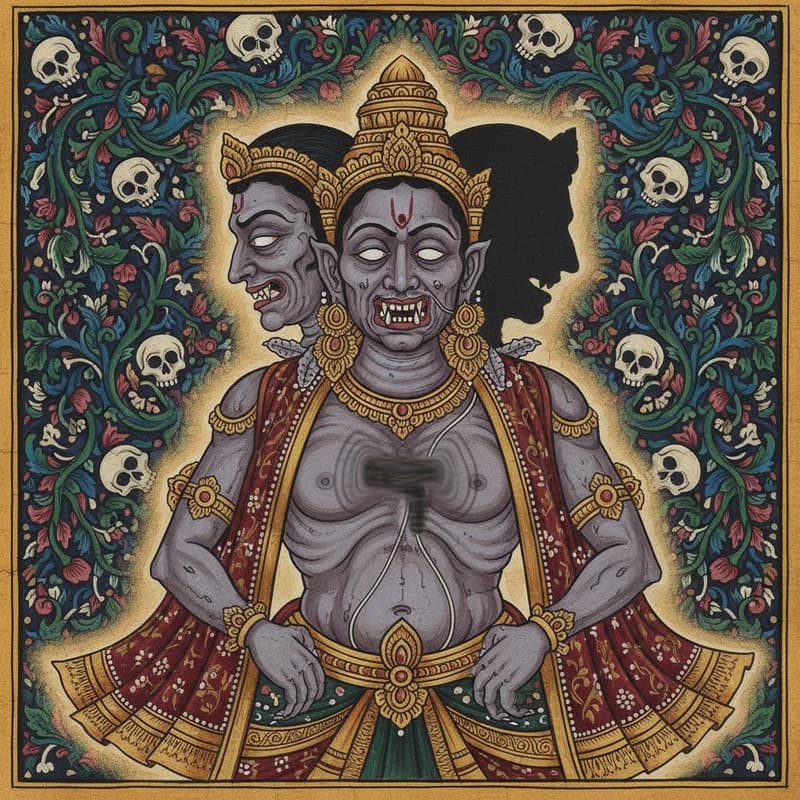
The Chordewa enters the record through William Crooke's *The Popular Religion and Folk-Lore of Northern India* (1896), which locates her among the Oraon communities of Bengal and notes the black cat as her detached, wandering soul — though Crooke's framing treats her as a sub-type of the broader witch category rather than a distinct entity. The oral tradition of the Rarh region and the Chota Nagpur plateau, however, insists on a precision the colonial record flattens: the cat is not a familiar or a disguise but the woman's actual soul, corporeal and vulnerable — if the cat is harmed while she walks the night, the sleeping body at home bears the wound. Where Crooke presents the lip-licking as a predatory act of soul-theft, accounts gathered near the Damodar River describe it as involuntary, a hunger the Chordewa did not choose and cannot suppress. That divergence matters: it shifts her from agent of malice to something closer to a condemned woman, her own body a trap she re-enters at dawn.
Frequently Asked
Chordewa is a witch figure from Bengali folklore whose soul separates from her sleeping body at night and takes the form of a black cat. In this animal shape, she seeks out the dying and licks their lips, drawing away the last of their life essence. She is documented most densely in oral traditions from rural Bengal, particularly in villages near the Sundarbans and along the lower Ganges delta.
Chordewa does not kill through violence but through a slow, intimate theft — her black cat form licks the lips of those already weakened by illness, accelerating their death by consuming their remaining vitality. The act is considered a kind of soul-drinking, not a physical attack. Villagers in Bengal have long treated the appearance of an unknown black cat near a sickbed as a warning sign requiring immediate ritual precaution.
Chordewa is classified as a witch, not a ghost — she is a living woman whose soul temporarily vacates her body through occult means, a practice distinct from possession or haunting. This separates her from entities like the Petni or Shakchunni, which are spirits of the dead. The woman herself may appear entirely ordinary by day, her nocturnal activities leaving no visible trace on her waking form.
The black cat is the vessel of her detached soul, not a shapeshifting disguise — the cat and the witch are, in that moment, the same being. Harming the cat while it roams is believed to injure the witch's body lying at home, a detail that appears consistently across accounts collected from Midnapore and Barisal districts. This soul-animal bond places Chordewa within a broader South Asian tradition of externalized souls and fetch-spirits.
Traditional protective measures in Bengali villages include keeping a lamp burning through the night near the sick, and driving away any unfamiliar cat that approaches the dying person's room. Some accounts from the Rarh region of West Bengal mention drawing protective marks at the threshold with rice paste to prevent the cat's entry. The logic is consistent: disrupt the cat's access to the lips, and the soul-theft cannot be completed.
Chordewa is primarily a Bengali entity, her name and specific mythology rooted in the oral traditions of West Bengal and Bangladesh. Structurally similar witch-figures who project animal souls appear in Odia and Assamese folklore, but they carry different names and operate under different conditions. The Chordewa as a distinct named entity belongs to the Bengali-speaking lowlands, particularly communities living close to the monsoon-flooded margins of the delta.
The name derives from the Bengali চোর্দেওয়া, combining elements that suggest a thieving or stealing spirit — 'chor' meaning thief and 'dewa' relating to a spirit or supernatural being. The name is functionally descriptive: she is the spirit that steals, specifically stealing the breath and life of the dying. This naming convention reflects a common pattern in Bengali demonology where a spirit's name encodes its method of harm.
Across all recorded accounts, Chordewa is consistently female — the witch is always a woman, and the predatory black cat is always an extension of her female soul. This aligns her with a wider pattern in South Asian witch lore where women are disproportionately associated with nocturnal soul-projection and life-theft. Male equivalents with comparable mechanics exist in other regional traditions, but the Chordewa figure specifically carries no male variant in Bengali oral sources.
संबंधित लोकगाथाएं
Related Lore
Algorithmic Inference
आपको यह भी पसंद आ सकता है
You May Also Like
Community Discussion
Comments are reviewed by AI before appearing publicly. Unsafe, unrelated, or uncertain comments go to human review.
Sign in to join the discussion.
0 comments
No public comments yet.