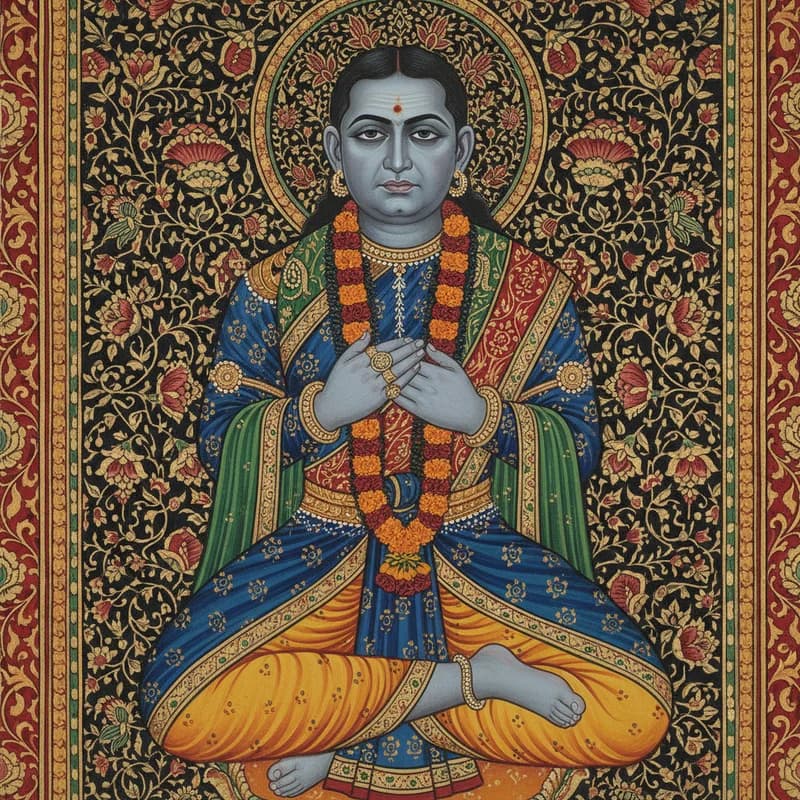
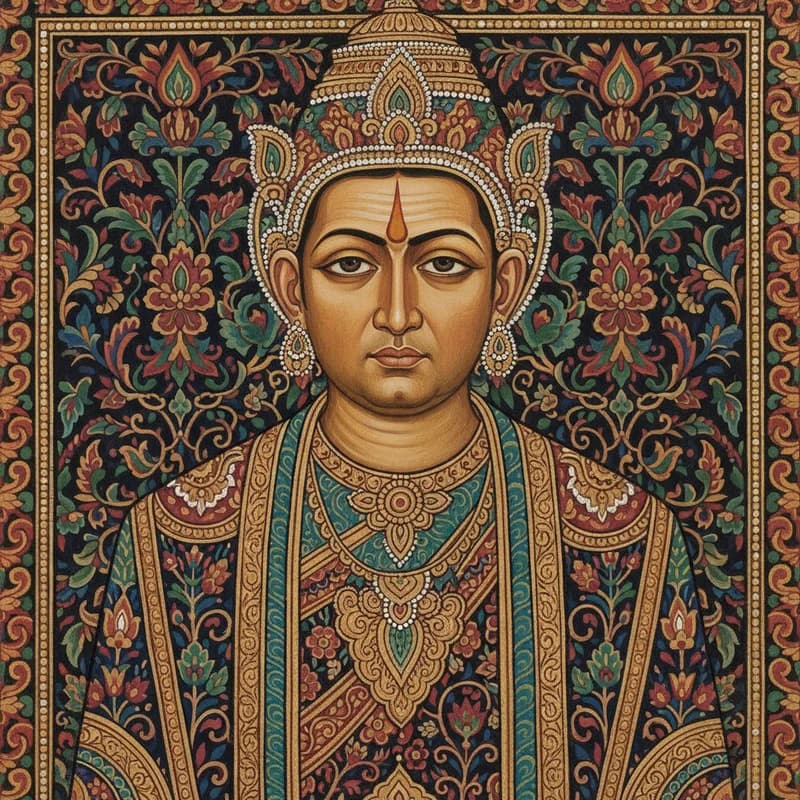
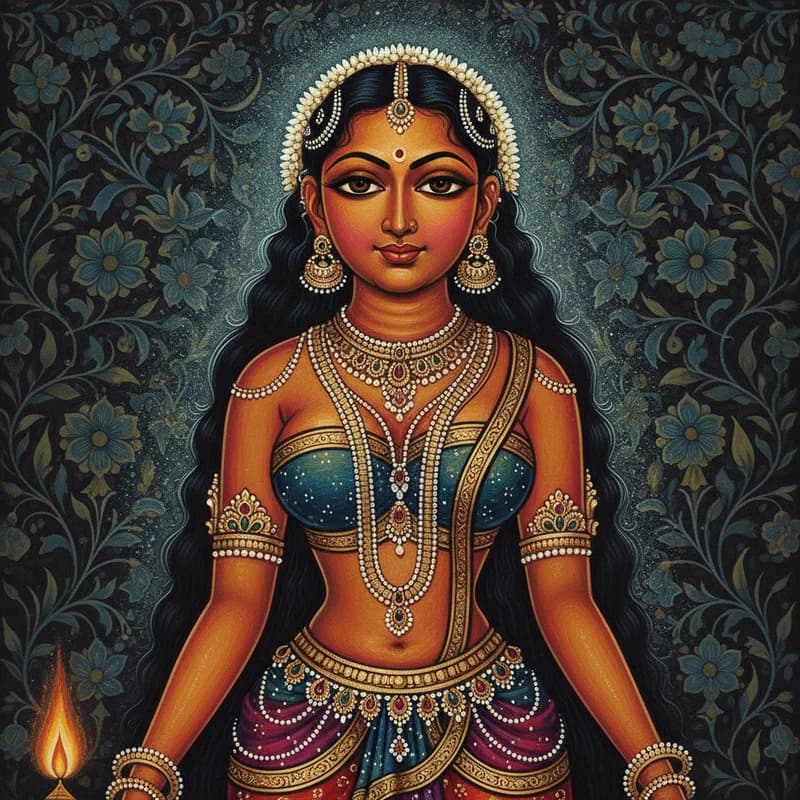
The Gandharvas appear first in the Rigveda not as a class of beings but as a single figure — a keeper of the celestial soma, hovering at the boundary between the gods' world and something older. Rigveda 10. 139 names him guardian of the divine drink, a liminal custodian rather than a worshipped deity. By the time the Atharvaveda addresses them, they have multiplied into a group, associated with pregnant women, with the dangerous transitional period of a girl's first marriage, with the forests where the boundary between the cultivated and the wild grows thin. The Shatapatha Brahmana complicates this further: the Gandharvas are described as having once possessed the soma themselves, surrendering it to the gods in exchange for the apsaras — a trade that positions them as beings who once held cosmic power and chose desire over it. That original exchange, if one reads it closely, explains almost everything that follows in the tradition.
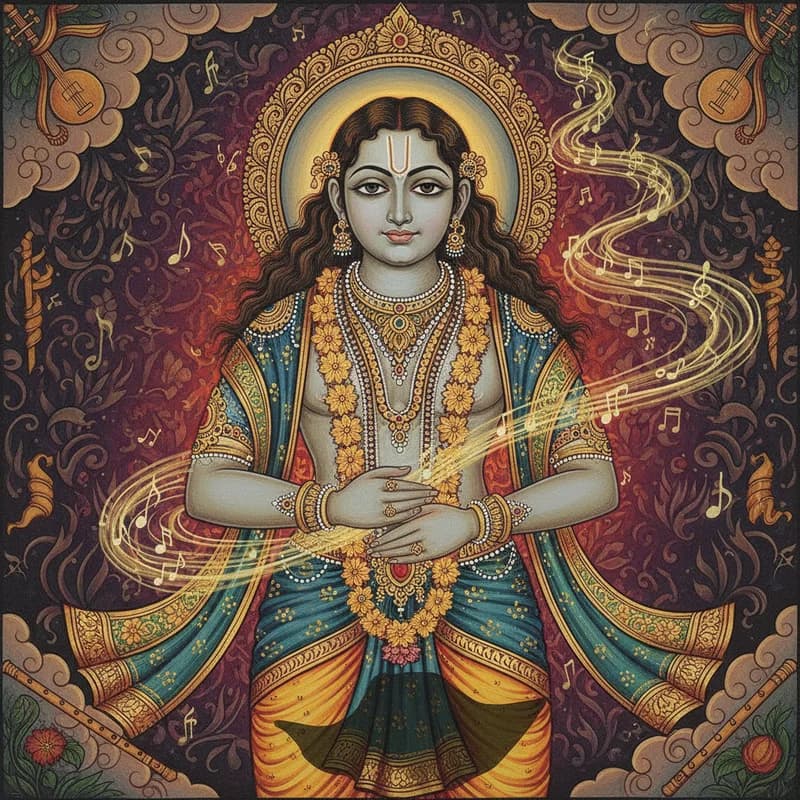
The oral streams diverge sharply from the Puranic elaborations. In the Puranas — particularly the Vishnu Purana and the Harivamsa — the Gandharvas are systematized: musicians of Indra's court, celestial singers who appear at divine assemblies, their origins traced to Brahma's breath or to Kashyapa's lineage. This is the court version, the version that found its way into Sanskrit drama and classical treatises on music like the Natyashastra, which credits them with transmitting the techniques of gandharva-veda, the science of song, to human practitioners. Folk memory along the Narmada valley and in the sal forests of Jharkhand carries a different weight entirely. There, Gandharvas are not musicians at palaces. They are encountered near rivers at dusk — the Betwa, the Ken, the smaller tributaries that run through Bundelkhand — and the encounter is rarely comfortable. They are said to possess men of artistic temperament, not to destroy them but to use them, to complete through a living body whatever music was left unfinished at the boundary of two worlds.
What the textual and oral traditions share, despite their differences in tone and setting, is the quality of incompletion. The Shatapatha's Gandharva surrendered something. The Rigvedic guardian lost his custody of soma. The forest Gandharva of the Jharkhand and Vindhya regions is perpetually between — between desire and fulfillment, between one world and another. Scholars including A. A. Macdonell and Sukumari Bhattacharji have treated the Gandharvas as a Vedic survival, a pre-Aryan stratum absorbed into the brahmanical system and tamed into celestial musicians. The oral record does not support the taming. In the seasonal fairs along the Chambal and at the Mahakaleshwar precincts in Ujjain, stories persist of Gandharvas who followed a musician home after a night performance and could not be made to leave — not malevolent, but insistent, restless, drawn to sound the way the drowned are said to be drawn to water.