प्रतीक्षा करें
Retrieving sighting coordinates from the Map…
प्रतीक्षा करें
Retrieving sighting coordinates from the Map…

Nale Ba
Somewhere in Karnataka's villages in 1995, someone wrote two words on their doorpost in chalk — *nāḷe bā*, come tomorrow — and the idea spread faster than any rumour had a right to. By the dry weeks of that summer, the phrase had travelled from the Malnad hill villages down through the Deccan plateau, appearing on doorframes in Shimoga, Tumkur, Mandya, scrawled in chalk or charcoal or whatever came to hand. The logic was simple and airtight: if the witch came to your door and found the words already there, she would read them, accept the invitation, and leave. Tomorrow she would return. Tomorrow the words would still be there. She would never collect.
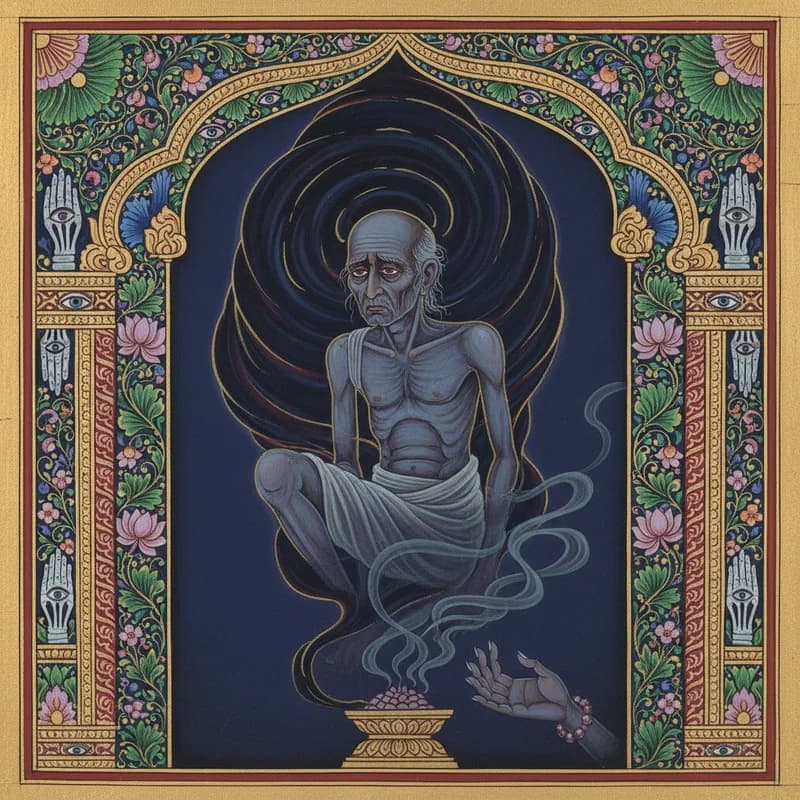
What she collected from those who answered was never precisely described. Accounts gathered from households around the Tungabhadra basin speak of a knock — not aggressive, almost polite — and a voice outside that offered no identification. Children who opened doors were found unresponsive by morning. Adults reported a feeling of having agreed to something they could not name. Whether the Nale Ba was a discrete entity with pre-existing folklore roots or a fear that generated its own creature as it spread remains genuinely unclear; the oral record and the epidemic arrived together, inseparable. What the 1995 accounts confirm is that the protective inscription worked not because anyone tested its failure — no one who answered the knock came back to report it — but because the act of writing it made the door a closed negotiation, a contract already signed. The spirit, whatever it was, honored paperwork.
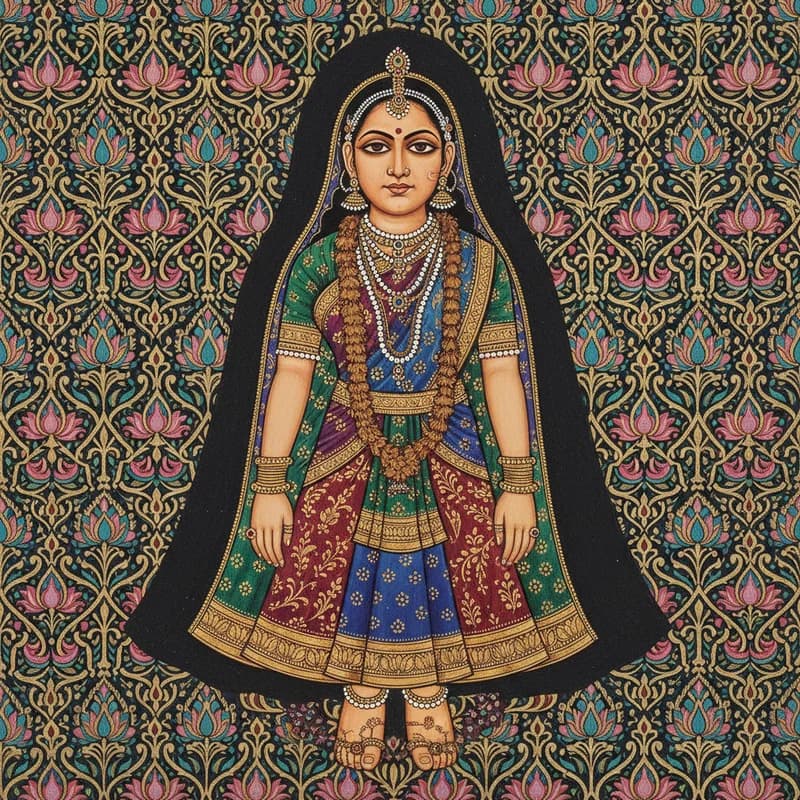
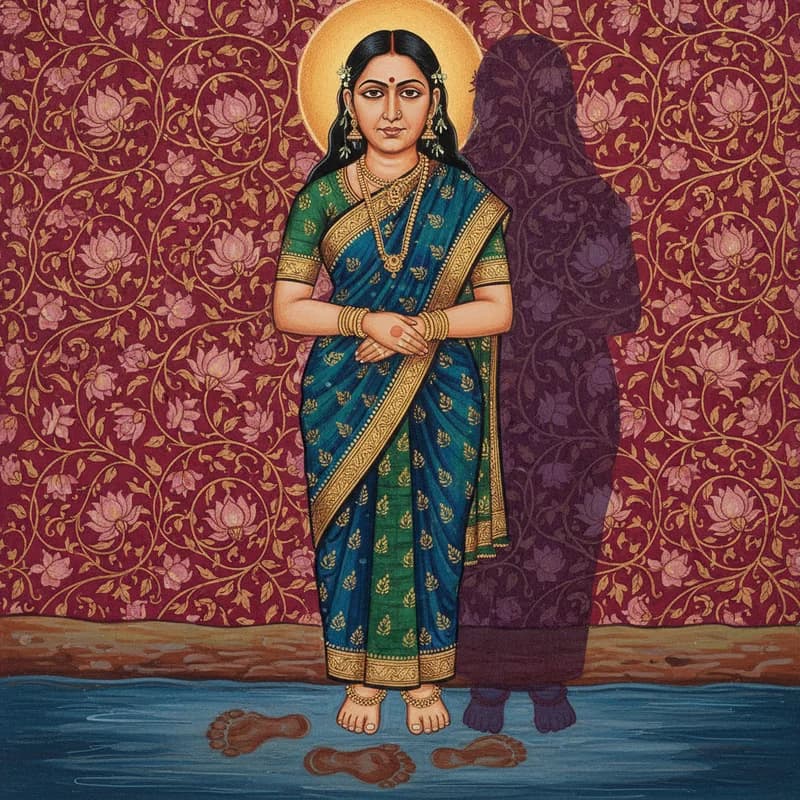
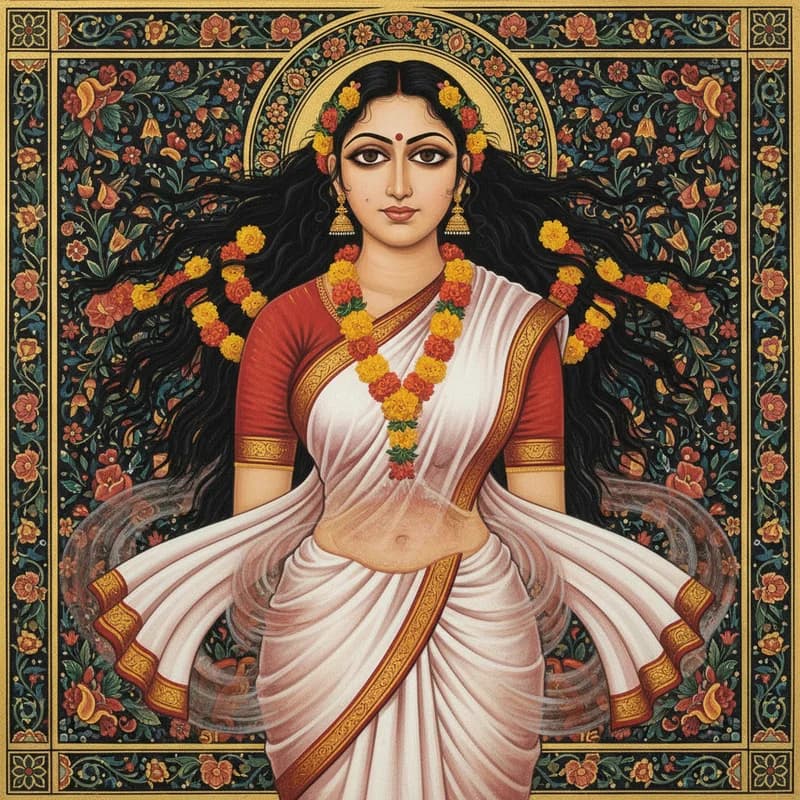
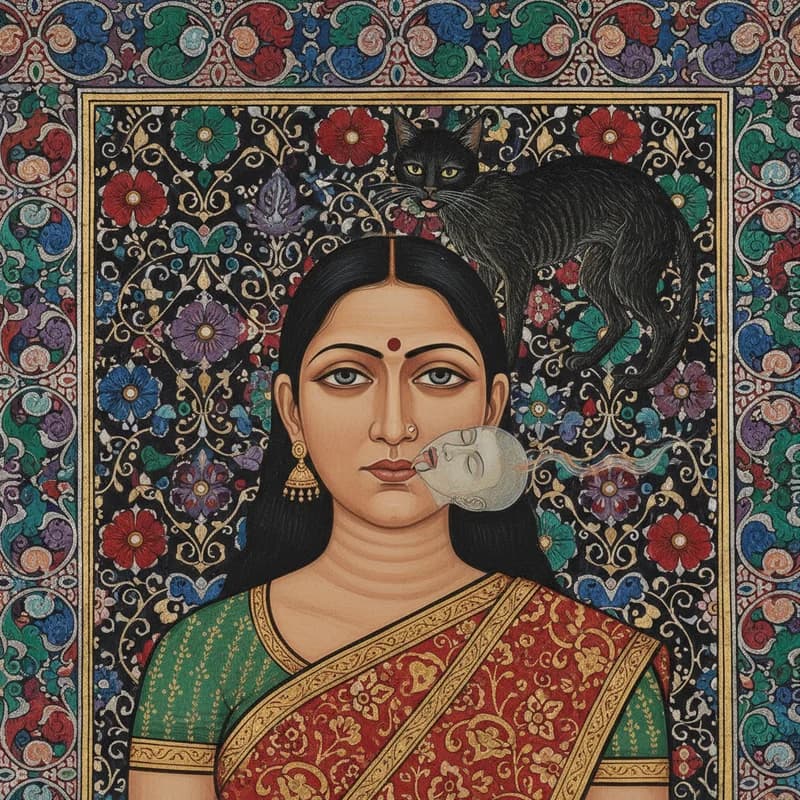
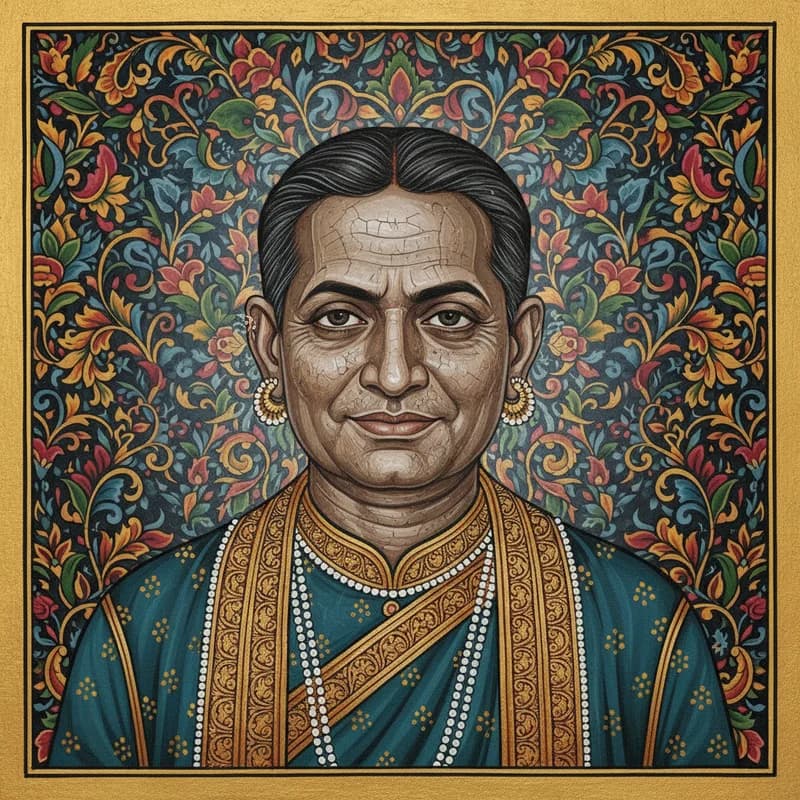
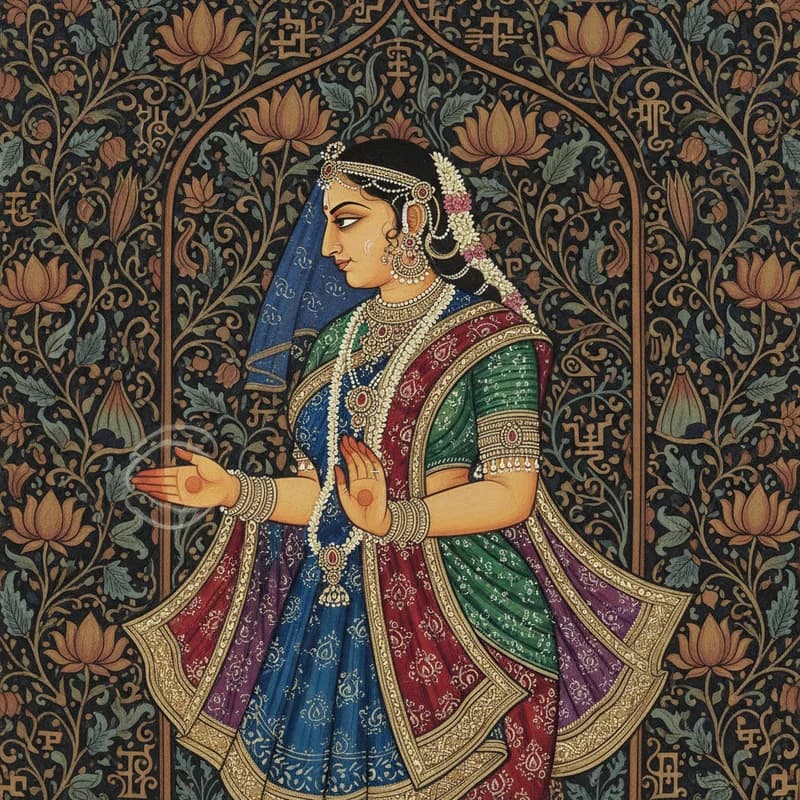
The Nale Ba presents as a woman at the threshold — specifically a woman known to the household, a mother, an aunt, a neighbour whose voice the listener would not question at any hour. No consistent face emerges from the Bangalore and Tumkur accounts; what remains fixed is the posture: slightly turned, as though she has already begun to leave and is only calling back over one shoulder, the way a woman calls to a child she expects to follow without argument. The knock itself is the primary supernatural signature — three beats, the rhythm of someone who has knocked on this door before and knows it will be answered. Witnesses who heard it through closed windows in the December cold of 1995 describe the sound as arriving from slightly below door-height, as though the knuckles met wood at the level of a kneeling person, or no person at all.
Across the districts of Tumkur and Mandya, where sugarcane fields press close against the road and households still keep the front door unlatched for relatives arriving late, the Nale Ba takes the voice and manner of a known woman — a mother, a sister, an aunt last seen at a wedding. It does not appear so much as announce itself: a knock, then the voice, then a name spoken with the exact weight of familiarity. The first tell is timing — it calls only in the hours between midnight and the pre-dawn azan, never at the hour a tired traveller would actually arrive. The second is repetition: living people, when ignored, grow irritated or worried and vary their words; the Nale Ba repeats the same sentence with the same cadence, patient and unchanging, as many times as the night requires.
First Documented
The Nale Ba panic erupted across Karnataka in 1995, spreading through villages along the Cauvery basin and into Bengaluru's outskirts as a living oral contagion — no ancient text precedes it, no temple inscription records its name; the spirit was born entirely from whispered neighbour-to-neighbour transmission.
Last Recorded
The Nale Ba panic swept through Bengaluru and surrounding Karnataka districts in 1995, with accounts concentrated in that single season of collective fear. Sporadic reports surface still — particularly from older residents of Mysuru and Tumakuru — suggesting the spirit has not entirely released its hold on the regional imagination.
Source Language
Kannada
Origin
The Nale Ba panic of 1995 has no textual antecedent in the Puranic corpus or the Shaiva agamic literature of Karnataka — it arrived, fully formed, as an oral contagion spreading outward from villages in the Mandya and Tumkur districts before reaching Bengaluru's peripheral neighborhoods within weeks. The name itself, meaning "come tomorrow" in Kannada, encodes the protective counter-ritual: writing the phrase on one's doorstep or lintel would cause the witch to read her own dismissal and move on. What distinguished the folk account from later journalistic rationalization was the specificity of the threat — this was not a generalized night-spirit but an entity that mimicked the voice of a known family member, exploiting the instinct to answer one's own kin. Folklorists who documented accounts along the Cauvery basin near Srirangapatna noted that the witch was consistently described as female, recently dead, and resentful — characteristics that aligned her with older Kannada traditions of the *preta* of women who died in grief or abandonment. The divergence between the
Frequently Asked
Nale Ba (ನಾಳೆ ಬಾ) is a witch spirit from Karnataka folklore, believed to roam neighborhoods at night knocking on doors and stealing the souls of anyone who answered. The phrase itself means 'come tomorrow' in Kannada — writing it on one's doorstep was said to trick the spirit into perpetually deferring her visit. She belongs to a class of nocturnal female spirits found across the Deccan plateau, predatory and cunning in equal measure.
In 1995, a wave of collective fear swept through towns and villages across Karnataka, with thousands of households writing 'Nale Ba' on their front doors to ward off the spirit. The panic spread rapidly through Bengaluru's peripheral neighborhoods and into districts like Tumkur and Mandya, with people reporting knocks in the night and voices mimicking deceased relatives. Folklorists and sociologists have since studied the episode as one of modern India's most documented cases of mass supernatural hysteria.
The traditional countermeasure is deceptively simple — write the words 'Nale Ba' in Kannada script on your front door, instructing the spirit to return the next day. Because she is bound by the logic of the invitation, she reads the inscription and moves on, caught in an endless loop of deferred arrival. During the 1995 outbreak, chalk and charcoal inscriptions appeared on doorways from Bengaluru's Jayanagar locality to villages along the Cauvery basin.
Nale Ba is distinctly Kannada in her name and the specific door-knocking mythology, rooted in the linguistic and cultural landscape of Karnataka. Parallel spirits exist elsewhere — the Churel of North India and the Mohini of Kerala share her predatory femininity and nocturnal habits — but the particular trick of writing a deferral on the threshold appears to be a local invention. No equivalent protective inscription ritual has been documented in Tamil Nadu or Andhra Pradesh traditions.
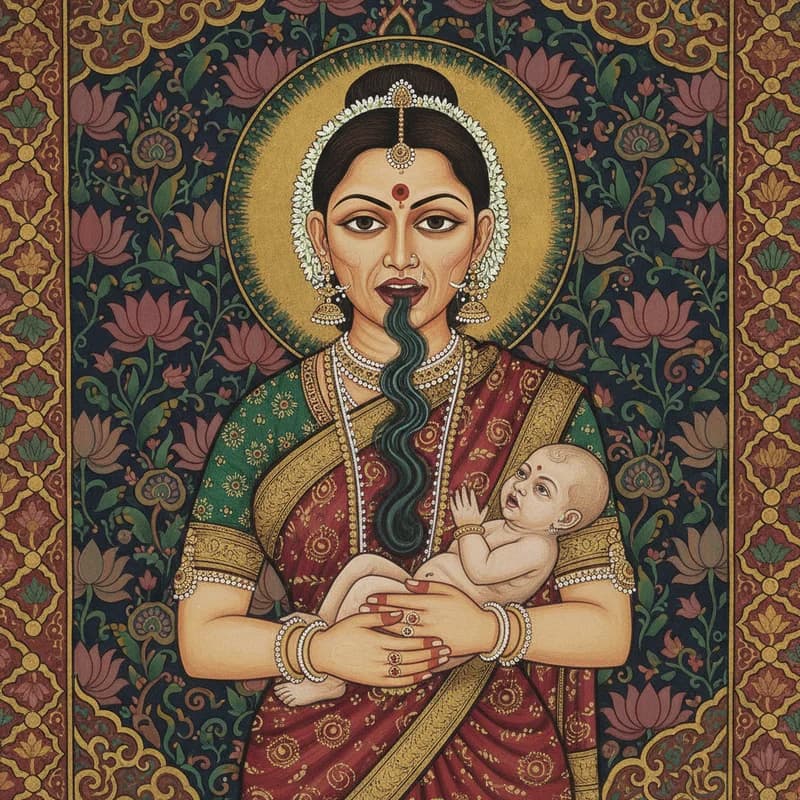
Oral accounts collected from villages near the Malnad region describe her as a woman whose feet face backward, a common marker of witch spirits across South Asia. She is said to speak in the voice of someone the listener loves — a mother, a husband, a child — which is precisely what makes answering the door so dangerous. Some accounts from the Mysuru district add that she appears at the boundary hour between midnight and the first cock's crow.
She does not map cleanly onto any deity in the Shaiva or Vaishnava pantheons, though she shares characteristics with the Shakti-derived witch figures propitiated at boundary shrines across Karnataka. Some village priests in the Shimoga area have associated her loosely with the category of Bhoota spirits — restless, unplacated female energies — rather than with any named goddess. Her power is folk and local, not Puranic.
The door in Karnataka folk belief marks the threshold between the protected domestic world and the dangerous outer night, making it the precise point where a predatory spirit would test a household's vulnerability. Answering the knock is understood as an act of invitation — once you open the door or respond to her voice, your soul becomes accessible to her. Accounts vary on what follows, but the consistent thread is that the victim wastes away or dies within days, as though something essential has been quietly removed.
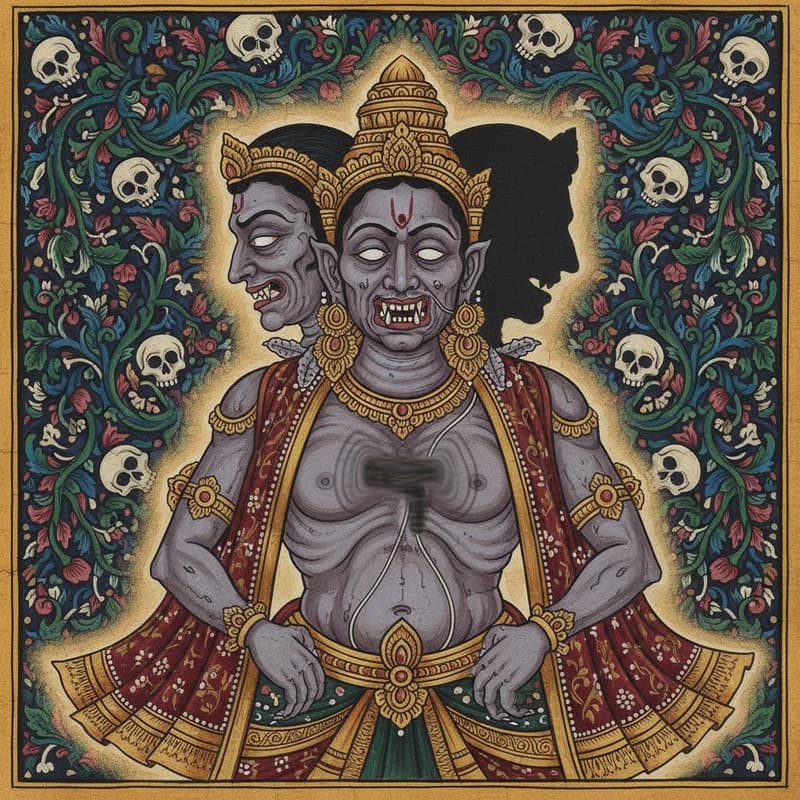
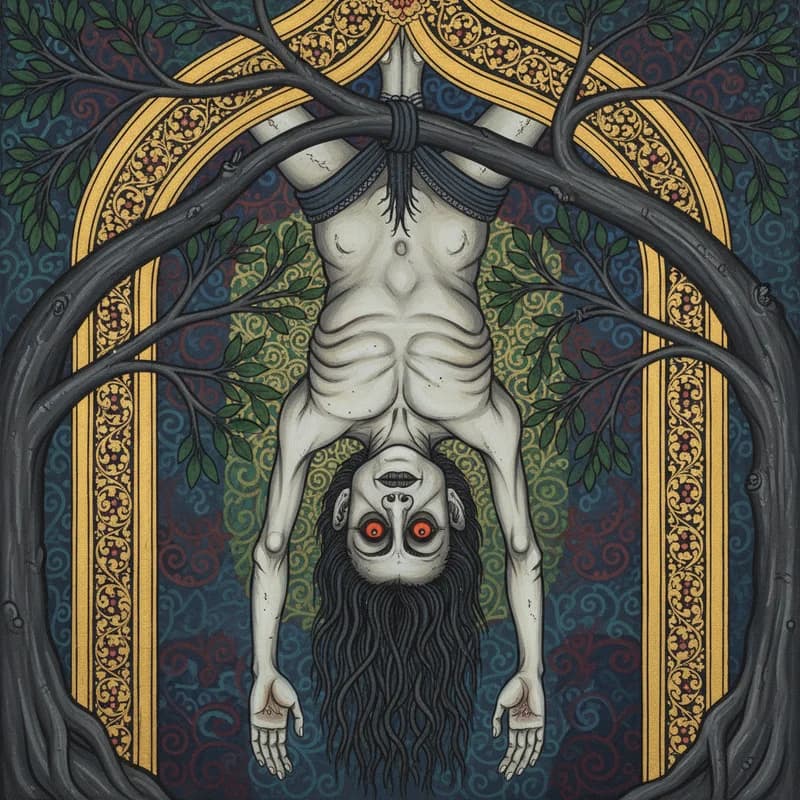
A Churel is typically the spirit of a woman who died during childbirth or in a state of ritual impurity, her identity rooted in personal tragedy and a specific origin story. Nale Ba carries no such biographical weight — she is not a wronged woman but an impersonal predatory force, more mechanism than character. The Preta of Sanskrit tradition is bound to a single location or family lineage, while Nale Ba moves freely through entire towns, which is part of what made the 1995 panic spread so fast.
संबंधित लोकगाथाएं
Related Lore
Algorithmic Inference
आपको यह भी पसंद आ सकता है
You May Also Like
Community Discussion
Comments are reviewed by AI before appearing publicly. Unsafe, unrelated, or uncertain comments go to human review.
Sign in to join the discussion.
0 comments
No public comments yet.