प्रतीक्षा करें
Awakening the Churel dossier…
प्रतीक्षा करें
Awakening the Churel dossier…
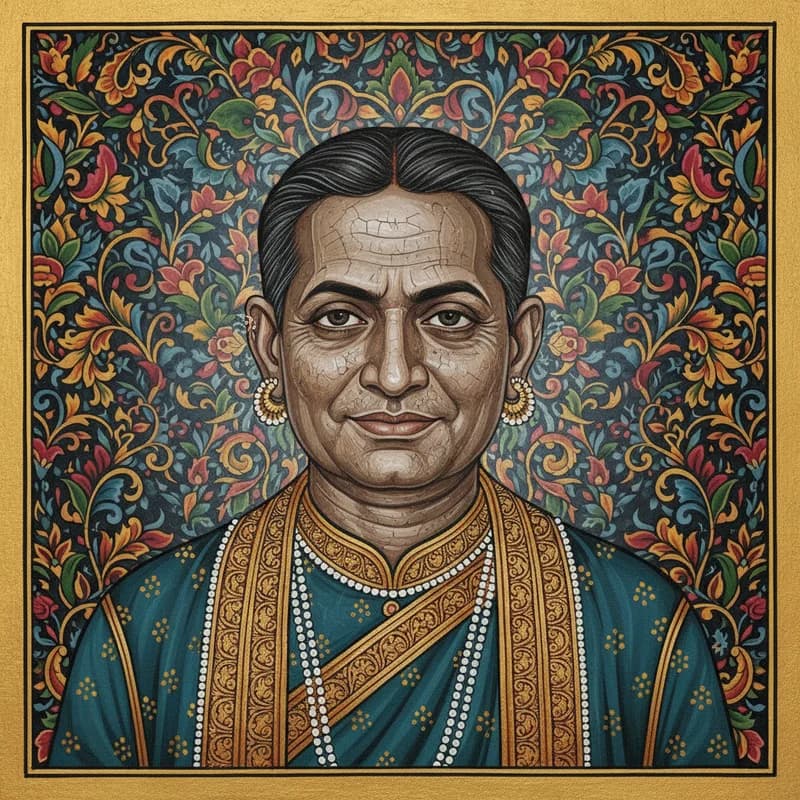

Paapiya
Guilt in eastern Uttar Pradesh has a shape. The Paapiya — known in villages along the Ghaghara river and in the forested margins of Bahraich and Gonda districts — is not a demon that arrives from outside. It grows from within a lineage, fed by sins the family refused to name: a false land deed, a dowry withheld, a witness who stayed silent when silence meant death. The older accounts collected from the Tharu communities near the Nepal border are consistent on this point: the Paapiya does not choose a family at random. It earns its place there.
Once attached, it works slowly, across three generations — the generation that sinned, the one that inherited and said nothing, and the one born into confusion about why the buffalo keep dying, why the marriages break, why the youngest son came home from Lucknow speaking to walls. Recognising the Paapiya requires a particular kind of village elder, one who still knows how to read the pattern of misfortune rather than each misfortune alone. Ritual remedies exist — a confession spoken aloud at the confluence of the Ghaghara and Saryu at dawn, a specific fast observed during Kartik — but practitioners who know the full procedure have become rare. The Paapiya is not malicious in the way a predatory spirit is malicious. It simply holds the account open, patient as debt, waiting for the family to remember what it cost them to forget.
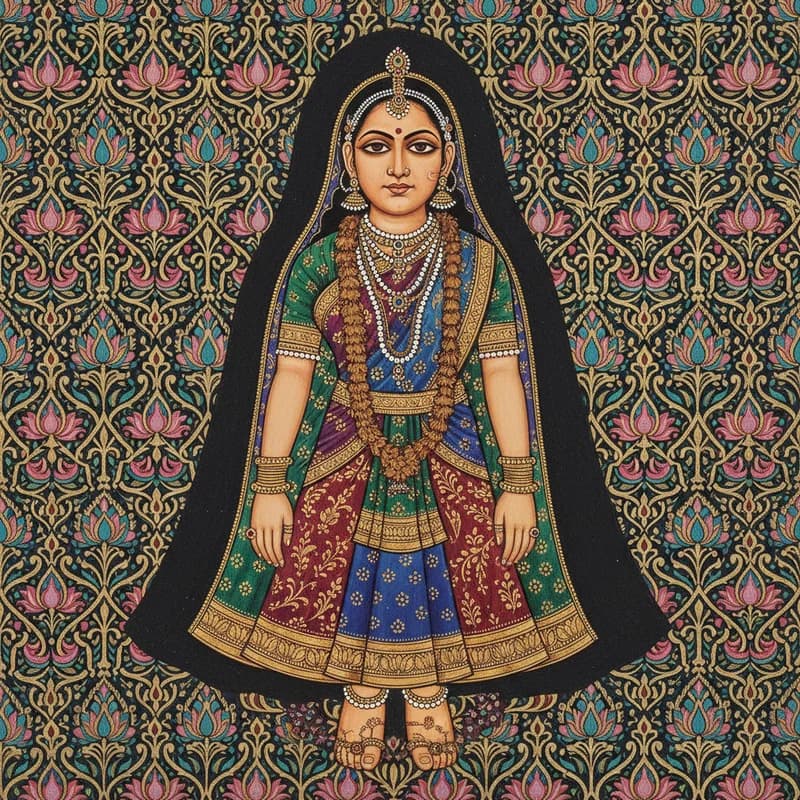
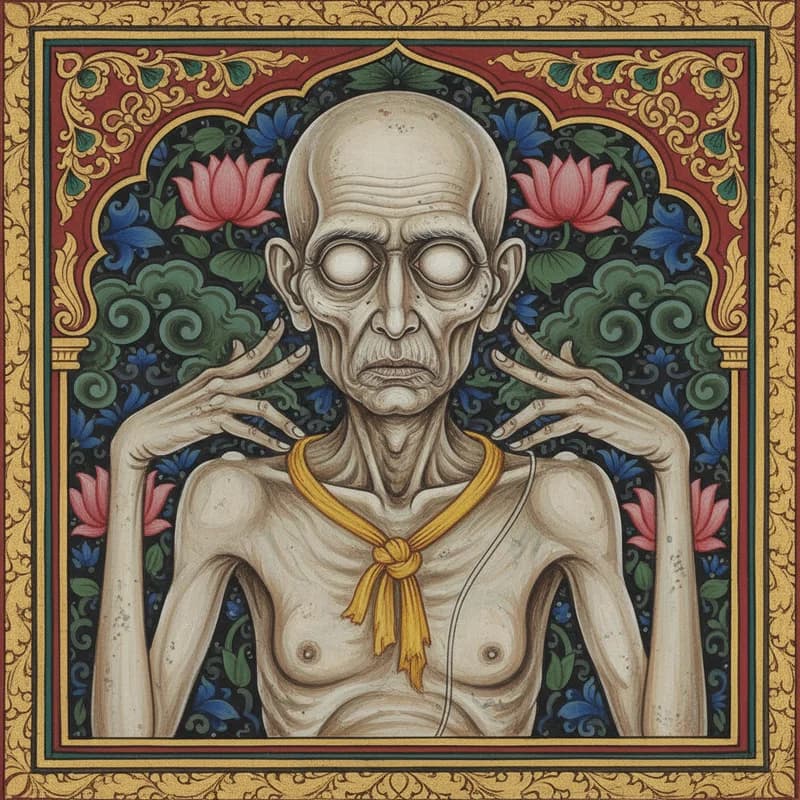
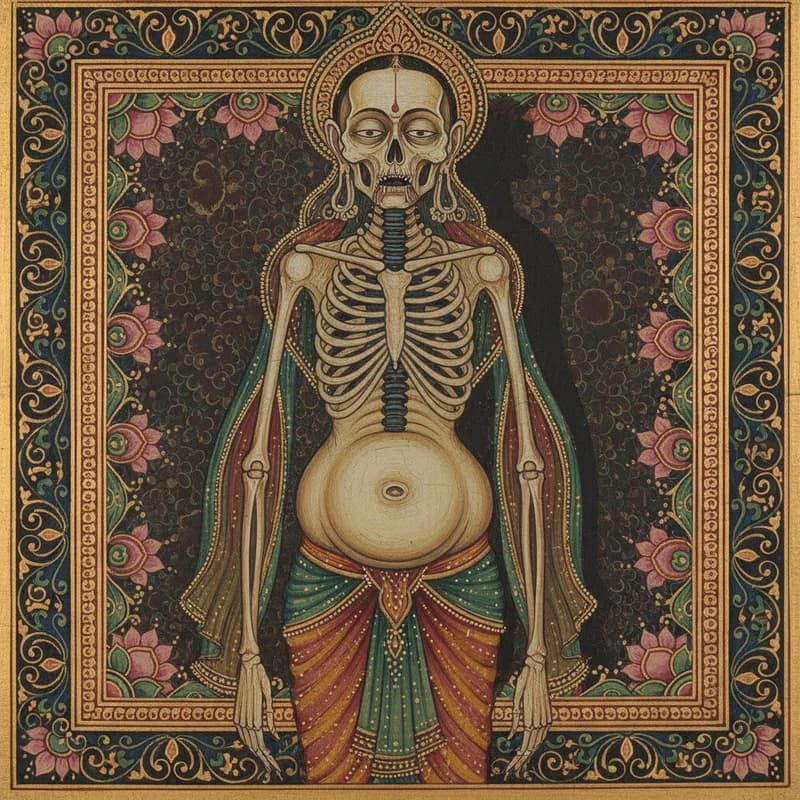
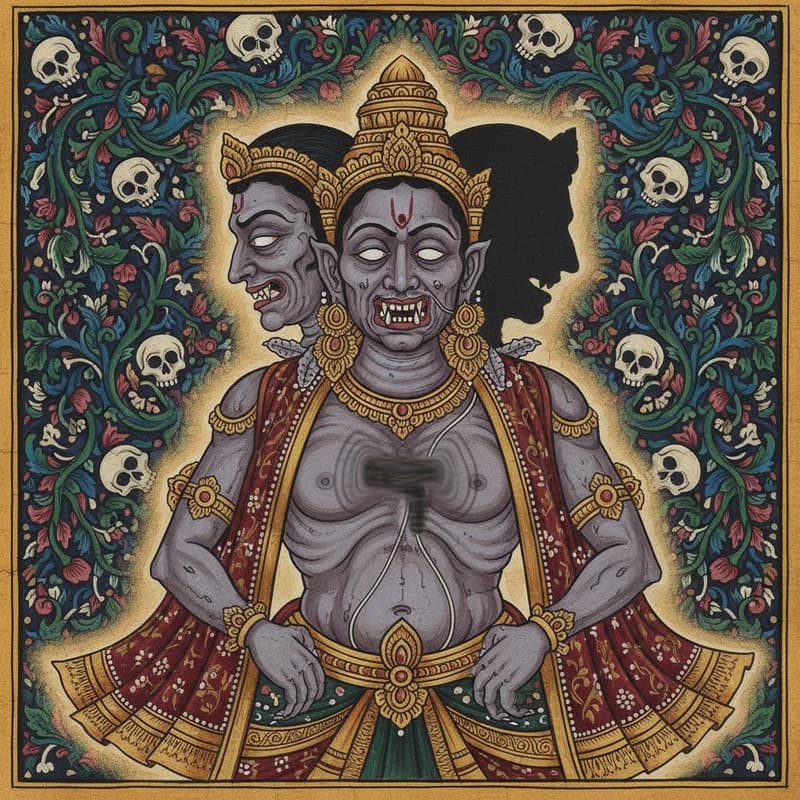
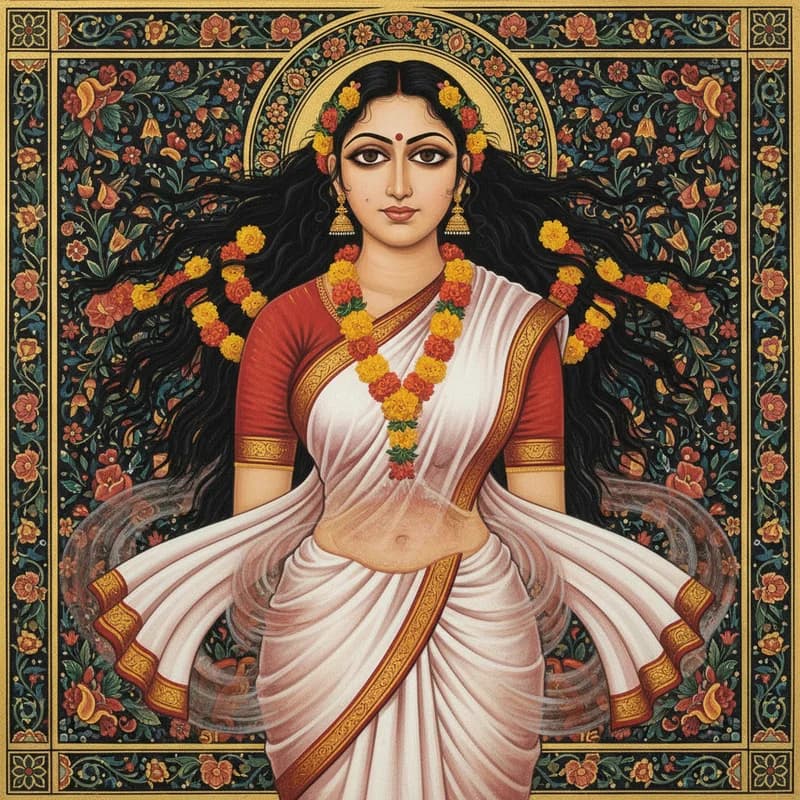
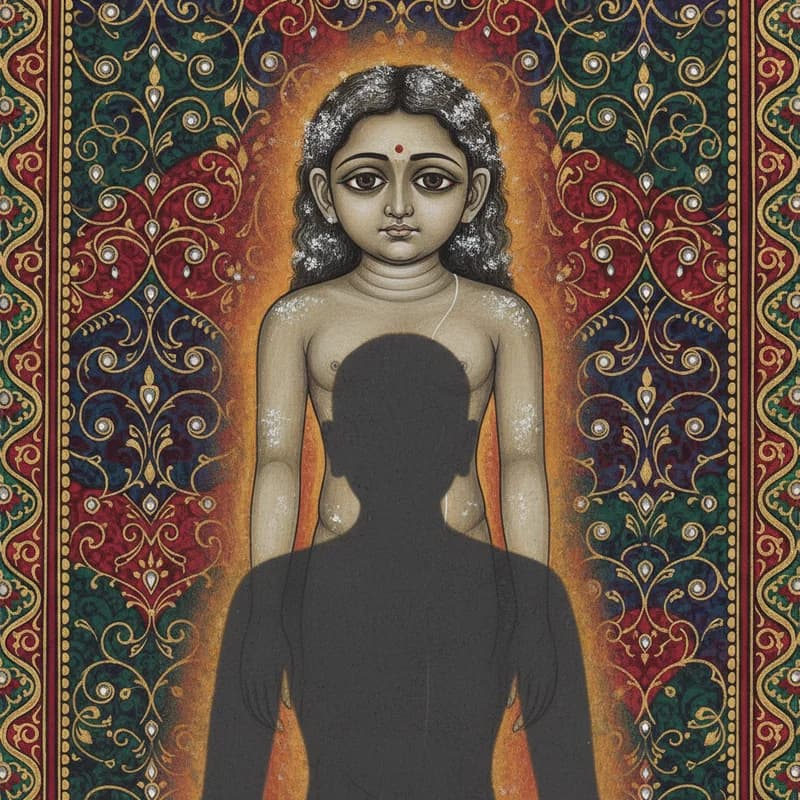
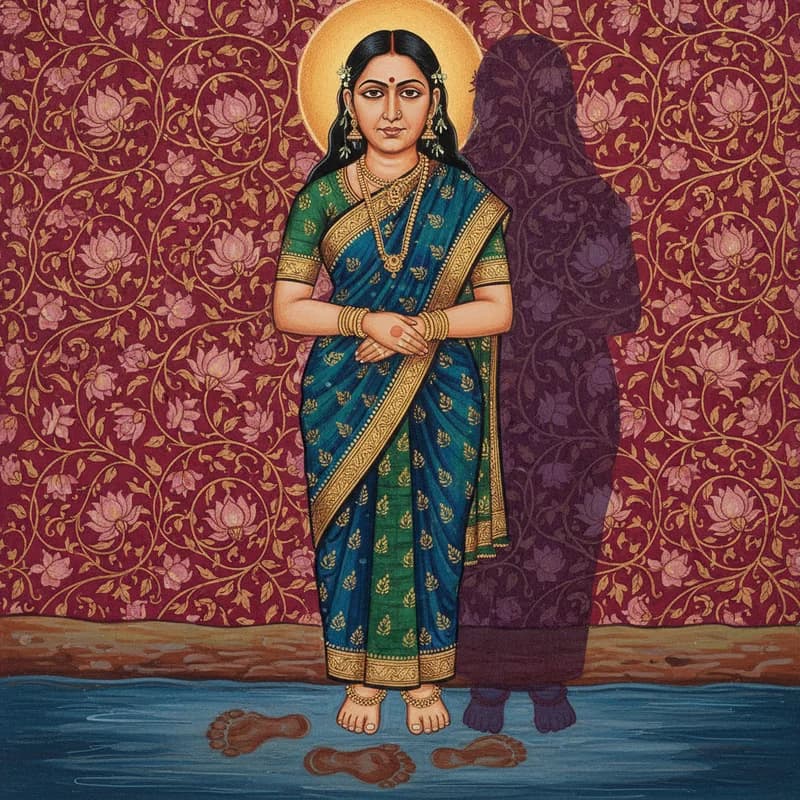
The Paapiya appears most often as a figure the witness almost recognises — a distant relative, a neighbour seen years ago, someone from the edge of memory rather than its centre. The face is never quite wrong enough to alarm immediately: it is the slight delay in expression, the way a smile arrives a breath after it should, that witnesses cite as the first wrongness. Skin carries the particular grey-brown of silt left on the banks of the Ghaghara after the monsoon recedes, dull and adhesive-looking. The smell is specific and consistent across Ballia and Ghazipur accounts — wet ash and something sweeter beneath it, like jaggery left in a warm room too long, the smell of old sweetness turning. What marks it unmistakably is the shadow: cast at the wrong angle from any available light, it falls toward the witness regardless of where the sun or lamp stands.
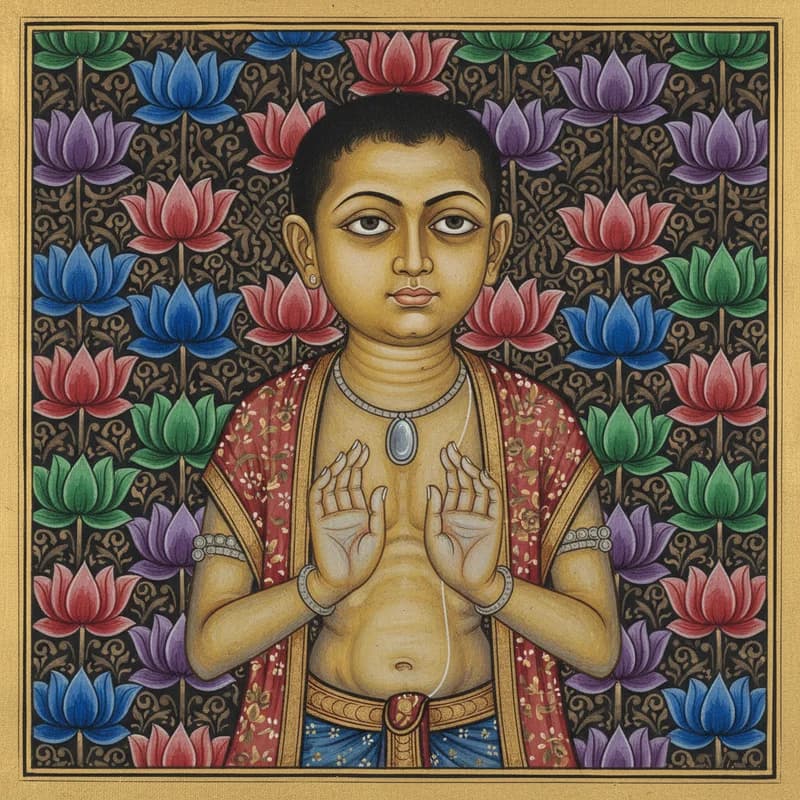
Paapiya moves through villages in the guise of a distant relative arriving unannounced — a cousin from the wife's side, a maternal uncle last seen at a wedding twelve years ago, someone real enough that no one can quite refuse them entry. Accounts from the Ghaghra basin and the flat mustard-field country between Ayodhya and Faizabad describe it arriving at the threshold just before the evening lamp is lit, at that particular grey hour when faces are hardest to read. The first tell is the greeting: it names the correct people but in the wrong order, addressing the youngest child before the head of household, inverting the sequence of respect that any true relative, however distant, would have absorbed by instinct. The second is what it leaves behind — the charpoy where it rested through the night holds no depression by morning, the woven jute flat and untouched, as though nothing with weight had ever lain there.
First Documented
Paapiya surfaces most clearly in the oral traditions of eastern Uttar Pradesh, particularly in the katha cycles recited by Brahmin priests along the Ghaghra river basin during Pitru Paksha. No Sanskrit text names it directly; its earliest traceable form lives in the cautionary genealogical narratives passed between village jyotishis in Gorakhpur and Basti districts.
Last Recorded
Accounts of Paapiya persist in the villages along the Ghaghra river basin, with the most recent oral testimonies collected from Ballia and Ghazipur districts as recently as 2019. The spirit has not passed into memory — families still speak of it in the present tense.
Source Language
Hindi
Origin
The Paapiya surfaces most clearly in the oral tradition streams of the Purvanchal belt — the districts running east from Varanasi toward Ghazipur and Ballia — where it circulates through winter night-gatherings as a cautionary account rather than a demon-tale. No classical Puranic text names the Paapiya directly, though the concept maps loosely onto the doctrine of *sanchita karma* and the *pitru-rin* obligations codified in the Dharmashastra literature of the Smriti tradition. The distinction matters: where the textual tradition frames ancestral sin as an abstract moral debt, the folk account of the Purvanchal gives it a body — specifically, the unquiet residue of a single act of deliberate betrayal, usually the theft of land from a widow or the false testimony that sent an innocent man to ruin. That residue does not disperse at the perpetrator's death but adheres to the family line, moving forward three generations like a creditor who will not be turned away. What the divergence reveals is significant: the Dharmashastric model offers ritual remed
Frequently Asked
Paapiya (पापिया) is a spirit of accumulated sin found in the oral traditions of eastern Uttar Pradesh, believed to form from unresolved moral transgressions within a family. It attaches itself to a bloodline and works its misfortune quietly across three generations, rarely announcing its presence until the damage is already done. Accounts collected near the Ghaghra river basin describe it less as a demon and more as a consequence given form.
Paapiya is said to bind to a family line through a founding act of serious wrongdoing — most commonly betrayal, false oath-taking, or the death of an innocent left unatoned. Once attached, it does not possess individuals but instead warps the conditions of their lives, souring harvests, breaking marriages, and drawing illness. Village accounts from the Purvanchal region consistently describe the attachment as inherited, not chosen.
According to folklore collected across eastern UP, Paapiya's influence spans exactly three generations before it either dissipates or is ritually expelled. The first generation experiences the sharpest misfortune, while the third may suffer only a faint residue — unless the original sin is compounded by new transgressions. Some accounts from villages near Gorakhpur suggest that a family unaware of the spirit's presence often unknowingly repeats the ancestral wrong, resetting the cycle.
Paapiya is distinct from both Preta and Pishacha, which are spirits tied to the fate of a single dead individual. Paapiya has no singular origin-soul — it is the spirit of an act, not a person, and its nature is closer to a karmic residue given agency. Where a Preta haunts a location and a Pishacha corrupts the living body, Paapiya operates through lineage and time.
Oral accounts describe a recognizable pattern: repeated misfortune that defies ordinary explanation, particularly the early deaths of male heirs, failed crops in otherwise fertile seasons, and a string of broken alliances or marriages. Elders in villages along the Saryu river speak of a particular heaviness in the household — a sense that luck has been structurally removed rather than merely absent. The affliction is distinguished from ordinary bad fortune by its generational persistence.
Ritual expulsion of Paapiya typically requires identifying and symbolically atoning for the original transgression, often through a prayaschitta ceremony conducted by a local pandit or a folk specialist called a syana. Some traditions from the Basti and Deoria districts hold that the spirit can be transferred into a clay vessel and buried at a crossroads before the new moon. Without this intervention, the spirit is believed to complete its three-generation span regardless of prayers or offerings made to other deities.
Paapiya as a named entity does not appear in canonical Sanskrit texts like the Puranas or the Dharmashastra literature, though the concept of sin accumulating across generations is well-documented in texts such as the Manusmriti and the Garuda Purana. The spirit belongs firmly to the living oral tradition of Purvanchal rather than to written theology. Its logic, however, draws directly from the Puranic framework of sanchita karma — the store of unresolved actions that follows a soul, here extended to the family as a collective moral unit.
The specific name Paapiya and its three-generation structure appear to be localized to the eastern UP belt stretching roughly from Varanasi to the Nepal border. Functionally similar spirits — lineage-bound, sin-generated, and generationally persistent — appear in Bihar folklore under different names, and comparable beliefs exist in parts of Bengal and Odisha. The eastern Gangetic plain seems to have developed this particular theology of inherited spiritual consequence with unusual consistency and detail.
संबंधित लोकगाथाएं
Related Lore
Algorithmic Inference
आपको यह भी पसंद आ सकता है
You May Also Like
Community Discussion
Comments are reviewed by AI before appearing publicly. Unsafe, unrelated, or uncertain comments go to human review.
Sign in to join the discussion.
0 comments
No public comments yet.